
Desserts
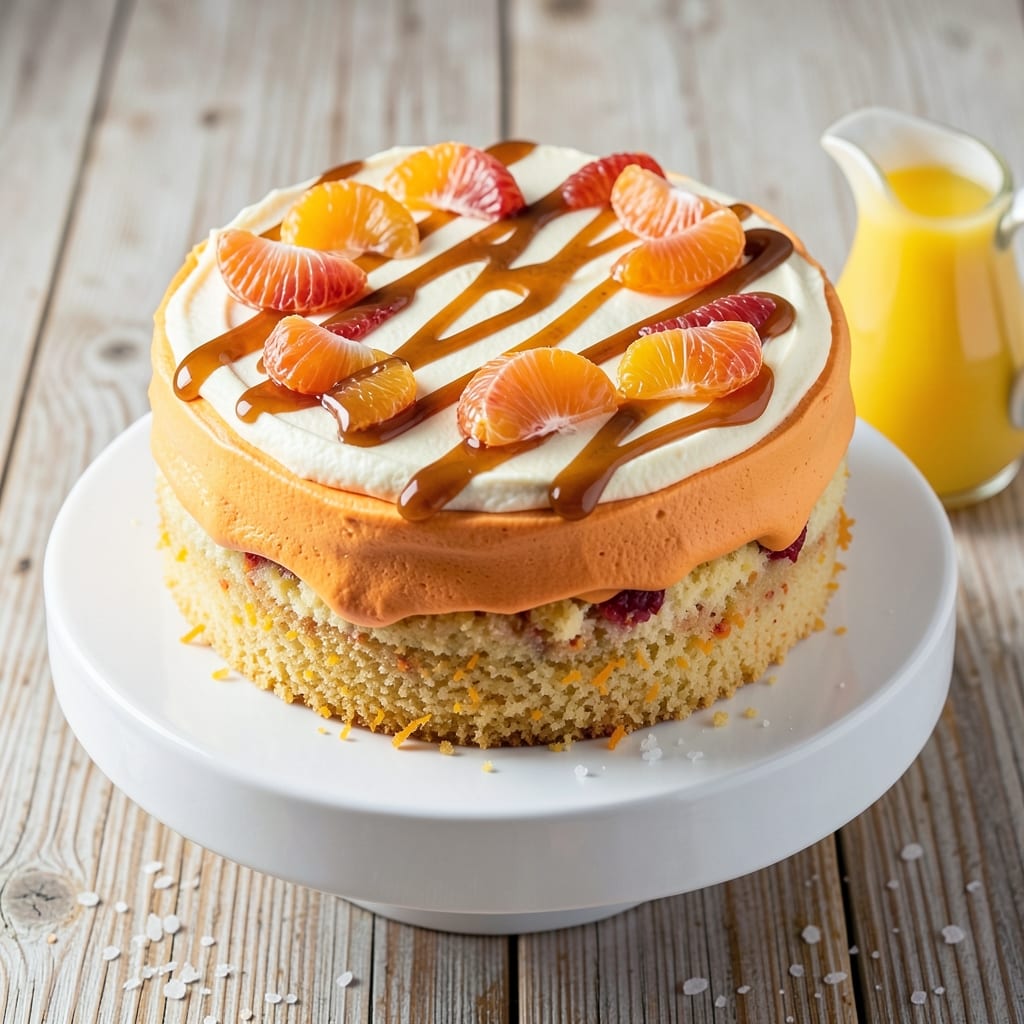
This amazing orange cake recipe delivers the perfect balance of bright citrus flavor and tender, moist crumb that'll make your taste buds dance. ✨ The secret lies in using freshly zested orange peel and juice, which infuses every bite with that signature zing without overpowering the delicate vanilla notes. I've baked this cake dozens of times, and it never fails to impress—whether you're celebrating a birthday or just craving something special.
What makes this recipe truly special is the moist texture that comes from a combination of buttermilk and vegetable oil, which keeps the cake tender and rich. The baking powder and baking soda work together to create that perfect rise, while the orange extract adds an extra layer of citrusy depth. And don't worry—this isn't one of those dry, crumbly cakes you might be expecting. Every slice is juicy, flavorful, and just the right amount of sweet.
Once it's baked to golden perfection, we'll top it with a simple buttery orange glaze that ties everything together. The glaze isn't just for looks—it adds another layer of citrus flavor that soaks into the cake, making each bite even more delicious. The result? A showstopping dessert that looks as good as it tastes, with that beautiful golden hue and a glossy finish that'll have everyone asking for seconds.
This cake is perfect for any occasion—birthdays, holidays, or just because you deserve something sweet. Plus, it's easy to customize with different frostings or garnishes, so you can make it your own. Let's get baking!
Ingredients for amazing orange cake
Bright citrus meets buttery bliss in this showstopping orange cake with signature glaze.
| Ingredient | Amount | Notes |
|---|---|---|
| All-Purpose Flour 🌾 | 2 ½ cups | Sifted for light texture |
| Granulated Sugar 🍚 | 2 cups | Superfine for smoother crumb |
| Orange Zest 🍊 | 2 tbsp | Freshly grated from organic oranges |
| Fresh Orange Juice 🍊 | 1 cup | From 2-3 medium oranges |
| Vegetable Oil 🫒 | 1 cup | Light, neutral flavor preferred |
| Buttermilk 🥛 | 1 cup | Full-fat for richness |
| Orange Extract 🍊 | 1 tsp | Pure, no artificial additives |
| Vanilla Extract 🌸 | 2 tsp | Pure Madagascar vanilla |
| Baking Powder 🧂 | 2 tsp | Aluminum-free preferred |
| Baking Soda 🧂 | ½ tsp | Ensures proper rise |
| Salt 🧂 | ½ tsp | Fine sea salt |
| Large Eggs 🥚 | 2 whole | Room temperature for best mixing |
| Powdered Sugar 🍚 | 2 cups | For glaze, sifted smooth |
| Unsalted Butter 🧈 | ½ cup | Cold, cubed for glaze |
| Orange Juice 🍊 | ¼ cup | Additional for glaze |
The oranges make or break this cake—navel oranges work best for that perfect balance of sweet and tart. Trader Joe's and Whole Foods carry organic oranges with vibrant color and intense flavor. If you can't find fresh, frozen concentrated orange juice works in a pinch (thaw and reduce by half). The zest should be bright yellow, not dull, and the juice should smell fresh like sunshine. For extra zing, I always add a splash of fresh lemon juice to the glaze—it cuts through the sweetness beautifully.
No buttermilk? Mix 1 cup milk with 1 tbsp vinegar or lemon juice and let sit for 5 minutes. Substituting vegetable oil for butter keeps this cake moist without adding dairy. The orange extract is non-negotiable—it's what gives that signature citrus depth. Goya or McCormick brands are reliable, but if you're feeling fancy, make your own by simmering orange peels in water. For the glaze, powdered sugar is key—it dissolves smoothly and gives that perfect glossy finish. If you're in a hurry, pre-sifted powdered sugar from the baking aisle saves time.
This cake keeps beautifully for 3 days wrapped tightly at room temperature, or 1 week in the fridge. The glaze sets as it cools, but you can reheat slices for 10 seconds to bring back that fresh-from-the-oven warmth. I like to make a double batch and freeze half—just thaw overnight in the fridge. For extra flair, garnish with candied orange slices or a sprinkle of crushed freeze-dried orange peel (it's a game-changer for texture and flavor).
Why You'll Love This Recipe
- No Mixer Needed: I swear by this recipe when my mixer’s on the fritz—just whisk the flour, sugar, and oil until it’s almost smooth. The orange zest and juice blend right in with a few quick stirs, and honestly? The texture comes out perfectly tender without overworking it.
- Bright & Balanced: That citrusy punch from fresh orange juice and zest cuts through the richness of the oil and sugar. It’s not too sweet, not too tart—just a bright, sunshiny flavor that feels like a hug in cake form. (Yes, even on a Tuesday night.)
- Party or Picnic: Slice it for a birthday spread, pack it for a beach day, or serve it at brunch—this cake handles any occasion. The moist crumb stays fresh for days, and the orange flavor feels festive without being overly complicated.
- Budget Bright Spot: Flour, sugar, and oranges? Affordable staples that make this cake a steal. I’ve made it with store-brand oil and still ended up with something so good, no one ever guesses it’s not from a bakery. Leftovers? They disappear faster than I can say “second slice.”
Step-by-step instructions for orange cake with buttery frosting
This cake delivers the perfect balance of citrus brightness and tender crumb—every step matters!
👨🍳 Step 1: Mix Dry Ingredients for Light Texture
In a medium bowl, whisk together the 2.5 cups all-purpose flour, 2 cups granulated sugar, 2 tbsp orange zest, 2 tsp baking powder, 0.5 tsp baking soda, and 0.5 tsp salt. Sift the flour mixture through a fine-mesh sieve directly into the bowl to aerate it—this creates a lighter texture. I like to press the sifter gently over the bowl while whisking to distribute everything evenly. The orange zest will give your cake that signature citrus aroma right from the start.
Set the dry mixture aside while you prepare the wet ingredients. This separation prevents gluten from developing too early, which keeps the cake tender. You'll notice the zest adds a vibrant color to the flour—this is your first visual cue that the citrus flavor is working its magic.
🍳 Step 2: Combine Wet Ingredients for Smooth Batter
In a large mixing bowl, whisk together the 1 cup vegetable oil, 1 cup buttermilk, 1 cup fresh orange juice, 1 tsp orange extract, and 2 tsp vanilla extract until smooth. The buttermilk adds richness while keeping the cake moist, and the orange juice enhances the citrus flavor without overpowering it. I always use room-temperature eggs—crack the 2 whole large eggs into the mixture and whisk vigorously for 30 seconds to fully incorporate.
Here's the thing—don't overmix once you add the eggs. You want a smooth, slightly thick batter that coats the back of a spoon. If it looks too thin, let it sit for 2 minutes before proceeding—the flour will absorb the liquid naturally. The vibrant orange color from the juice will deepen as you mix, signaling that the citrus flavor is fully integrated.
🥘 Step 3: Combine Wet and Dry for Perfect Consistency
Gradually add the dry ingredients to the wet mixture, mixing on low speed with an electric mixer (or by hand with a spatula) until just combined. You're looking for a smooth batter with no visible flour streaks—overmixing develops gluten, which makes the cake tough. Stop mixing as soon as the batter comes together. The texture should be like thick pancake batter, with a bright orange hue from the zest and juice.
Real talk: If the batter looks too thick, add 1-2 tablespoons of orange juice to loosen it slightly. The goal is a consistency that spreads easily in the pan but holds its shape when baked. Pour the batter into two 9-inch round cake pans lined with parchment paper, filling them about ⅔ full. Tap the pans gently on the counter to release any air bubbles—this ensures an even rise.
🔥 Step 4: Bake to Golden Perfection
Preheat your oven to 350°F and bake the cakes for 25-30 minutes, or until a toothpick inserted into the center comes out clean. I like to check at the 20-minute mark because ovens vary—yours might run hot. The edges should be golden brown, and the top should spring back when gently pressed with a finger. If the tops brown too quickly, loosely tent the pans with foil after 15 minutes to prevent over-browning.
Don't open the oven door during baking—this causes the cakes to sink. The kitchen will fill with an intoxicating citrus aroma as they bake, and you'll see the tops develop a beautiful golden hue. Let the cakes cool in the pans for 10 minutes, then transfer them to a wire rack to cool completely. This resting period prevents them from cracking as they cool.
🍰 Step 5: Make the Buttery Orange Frosting
While the cakes cool, make the frosting by beating the 0.5 cup unsalted butter (cold and cubed) with an electric mixer until creamy. Gradually add the 2 cups powdered sugar and 0.25 cup orange juice, mixing on low speed until smooth. Add 1 tsp orange extract and 1 tsp vanilla extract for extra flavor, then beat on high speed for 2-3 minutes until light and fluffy. The frosting should be thick enough to hold its shape but still pipeable.
Once the cakes are completely cool, spread a generous layer of frosting between them and on the tops and sides. The frosting's buttery richness contrasts beautifully with the bright citrus flavor of the cake. For extra shine, drizzle a little extra orange juice over the top—this adds a glossy finish and intensifies the citrus notes. Slice and serve immediately for the best texture and flavor!
Pro Tips For Making Amazing Orange Cake
- Preheat the Pan: I learned this the hard way—cold pans make soggy bottoms. Slide your cake pan into the oven for 5 minutes while preheating to 350°F (175°C). The heat transfer keeps the base crisp, not gummy, especially with oil-based batters that love to cling.
- Strain That Juice: Fresh orange juice is full of pulp, and that’s where the bitterness hides. Strain it through a fine-mesh sieve or cheesecloth before mixing—no one wants a cake that tastes like orange seeds. (Yes, even if you’re impatient like me.)
- Don’t Overmix Dry Ingredients: Whisk the flour, sugar, and spices together just until combined—lumps are fine, but overmixing develops gluten and turns your tender cake into a chewy brick. Stop when the dry ingredients look like crumbs with a few streaks of flour left.
- Test for Doneness Early: This cake’s moist texture tricks you—pull it out when the center is just springy, not jiggly. Stick a toothpick in; if it comes out with a few moist crumbs (not wet batter), you’re golden. Resist the urge to overbake—it’ll dry out fast.
Perfect pairings for this amazing orange cake
Citrus-Inspired Garnishes
Fresh orange slices or supremes make stunning garnishes—simmer 4 thin slices in ½ cup sugar and ¼ cup water for 10 minutes until translucent. Arrange them decoratively on top or between layers for a pop of color and extra flavor. For a modern touch, use a vegetable peeler to create thin orange ribbons and scatter them over the frosting. 🍊
Creamy Cheese Pairings
A layer of cream cheese frosting between the cake layers adds a tangy contrast that balances the sweetness. Mix 8 oz cream cheese, ½ cup butter, 3 cups powdered sugar, and 1 tbsp orange juice until smooth. Pipe swirls on top for an elegant finish. Alternatively, try a mascarpone glaze—whisk 1 cup mascarpone with 2 cups powdered sugar and 2 tbsp orange liqueur for a luxurious twist.
Wine & Liqueur Pairings
Sip a crisp Moscato d'Asti with this cake—its light sweetness and effervescence complement the citrus notes beautifully. For a bolder pairing, try a dry Riesling with hints of peach and citrus. If you prefer cocktails, serve with an Orange Mimosa (sparkling wine + fresh orange juice) or a Sazerac (bourbon-based cocktail) for a sophisticated contrast. 🍷
Seasonal Fruit Toppings
In summer, top with fresh berries like raspberries or blueberries—their tartness cuts through the sweetness. For fall, try roasted figs or pear slices brushed with honey. In winter, add candied cranberries for a festive touch. Always add fruit just before serving to keep it vibrant and fresh.
Spiced Tea Pairings
Serve with Earl Grey tea—its bergamot notes enhance the orange flavor. For a spiced option, try chai latte or ginger tea with honey. The warmth of the spices contrasts beautifully with the cake's cool citrus brightness. I love steeping a vanilla chai bag in hot milk for extra coziness.
Chocolate Contrast
Add a layer of dark chocolate ganache between cake layers or as a drizzle on top. Melt 8 oz dark chocolate (70% cocoa) with ½ cup heavy cream, then cool slightly before spreading. The bitterness of the chocolate makes the orange flavor sing even more. For a fun twist, add white chocolate shavings** on top for a sweet contrast. 🍫
Nutrition facts
Frequently asked questions
Why does this orange cake need both zest AND juice?
The zest provides the vibrant citrus aroma and oils that give the cake its signature orange flavor, while the juice adds moisture and sweetness. Using both creates a more complex, well-rounded flavor profile than either ingredient alone. The zest gives the aroma, and the juice delivers the juiciness!
Can I make this cake in a single 9-inch pan instead of two?
Yes, but it won't rise as high and may be denser. If you use a single pan, reduce the baking time by about 5-7 minutes (check at 20 minutes) and expect a shorter, wider cake. For best results, stick with two pans—they create that classic layer cake texture.
What if my cake turns out dry?
Dryness usually means overbaking or too much flour. Next time, check for doneness at 25 minutes and remove when a toothpick comes out with just a few moist crumbs. For extra moisture, brush warm slices with simple syrup (equal parts sugar and water, heated until dissolved). The buttermilk and oil in this recipe are designed to prevent dryness!
How can I make this cake gluten-free?
Replace the all-purpose flour with a 1:1 gluten-free baking flour blend (like Bob's Red Mill) and add ½ tsp xanthan gum to improve texture. You may need to adjust the liquid slightly—start with 1 tbsp less orange juice and add more if needed. The cake will be slightly denser but still delicious!
Can I bake this cake in a convection oven?
Yes, but reduce the temperature by 25°F (to 325°F) and check for doneness 5 minutes early. Convection ovens circulate hot air more efficiently, which can cause faster baking. Keep an eye on it after 20 minutes to prevent over-browning. The texture will be slightly different but still moist!