
Desserts
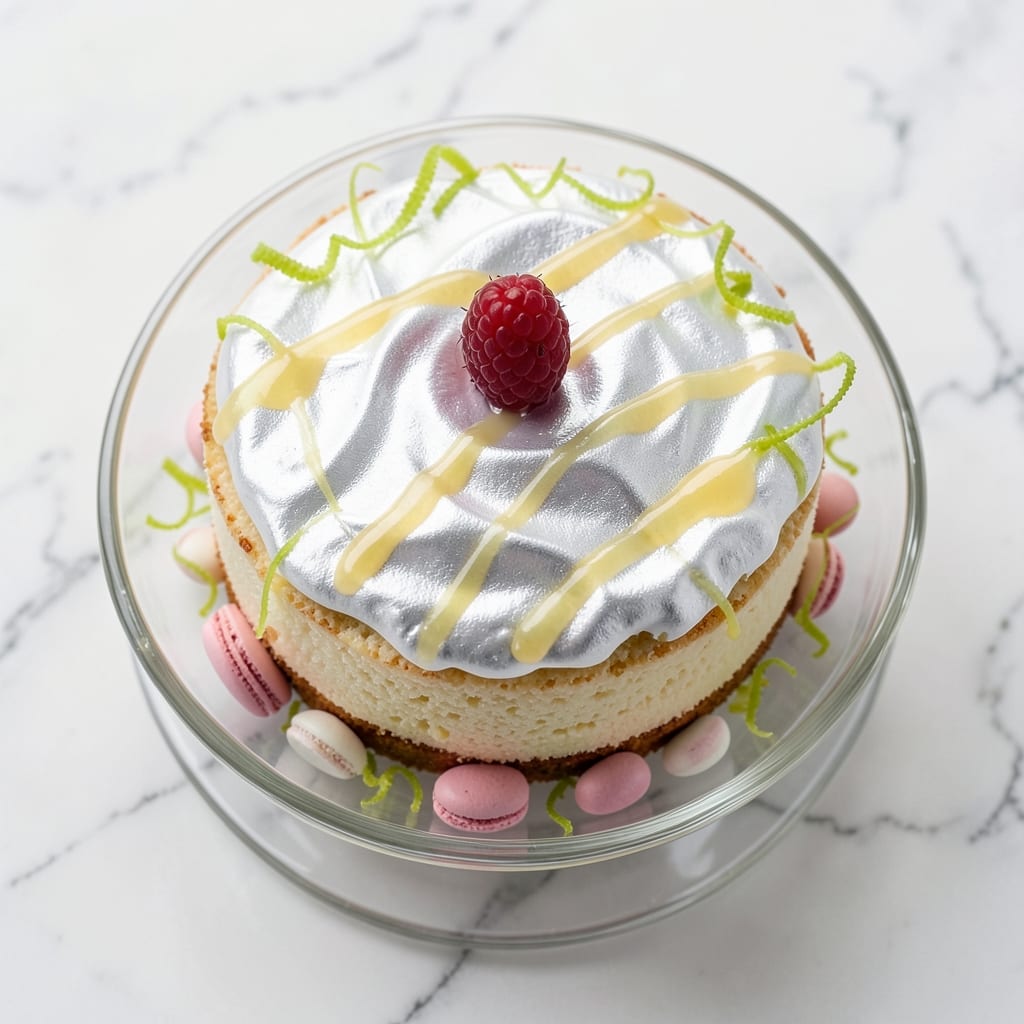
Amaury Guichon’s Swiss meringue buttercream cake delivers the kind of light-as-air texture and silky-smooth finish that makes every slice unforgettable. This recipe captures his signature approach—where precision meets artistry to create a cake that’s both elegant and approachable. The secret lies in the buttercream: whipped to cloud-like perfection with a touch of vanilla and a whisper of lemon zest for brightness.
What sets this cake apart is the technique: a high-ratio Swiss meringue that folds effortlessly into the butter, creating a frosting so stable it holds its shape yet melts in your mouth. The layers are tender but sturdy, baked just enough to hold their form without drying out. No shortcuts here—this is a cake built for those who appreciate the craft behind the dessert.
By the time you’re done, you’ll have a cake with golden-brown layers, a frosting that’s both glossy and velvety, and a finish so polished it could grace any patisserie window. The flavor profile balances sweetness with subtle acidity, making it versatile enough for celebrations or a quiet indulgence. Every bite is a testament to Guichon’s influence—luxurious yet achievable.
Ready to elevate your baking? This recipe includes step-by-step guidance for baking, assembling, and decorating, so you can recreate the magic at home. The tools are simple, but the result is anything but ordinary—a cake that feels like a masterpiece.
Ingredients for amaury guichon cake
Precision ingredients for a masterpiece cake with Swiss meringue buttercream that's light, glossy, and unforgettable.
| Ingredient | Amount | Notes |
|---|---|---|
| All-Purpose Flour 🌾 | 3 ½ cups | Sifted for lightness, room temperature |
| Unsalted Butter 🧈 | 2 ½ cups | European-style, 82% fat preferred |
| Granulated Sugar 🍚 | 2 ½ cups | Superfine for smooth texture |
| Large Egg Whites 🥚 | 12 whole | Room temperature, pasteurized if preferred |
| Vanilla Extract 🌿 | 2 tbsp | Pure Madagascar bourbon preferred |
| Lemon Zest 🍋 | 1 tbsp | Fresh, organic preferred |
| Cream of Tartar 🧂 | ½ tsp | For meringue stability |
| Salt 🧂 | ¼ tsp | Fine sea salt, kosher preferred |
| Whole Milk 🥛 | ½ cup | Room temperature, 2% fat minimum |
| Vanilla Bean Paste 🌿 | 1 tbsp | For intense vanilla flavor |
| Lemon Juice 🍋 | 1 tbsp | Freshly squeezed, organic preferred |
| Parchment Paper 📄 | 2 sheets | For cake layers and assembly |
| Cake Flour 🌾 | 1 cup | For tender crumb, optional but recommended |
The buttercream is where Guichon’s magic happens. European-style butter with 82% fat content is non-negotiable—it whips to cloud-like perfection. Plugrá or Miyoko's are my go-to brands for that extra richness. Superfine sugar dissolves smoothly, so avoid regular granulated unless you pulse it in a food processor. Egg whites need to be room temperature—cold whites won’t whip properly. I always buy pasteurized for safety, but fresh is fine if you’re confident in your eggs. The vanilla bean paste adds depth that extract can’t match—worth the splurge for a cake this special. For the lemon zest, organic is best to avoid wax coatings.
No European butter? Plugrá or Miyoko’s are available at Whole Foods or online, but Land O’Lakes European-style works in a pinch. Short on egg whites? Aquafaba (chickpea brine) can replace up to half at double the volume, but texture will differ slightly. The cake flour is optional but recommended—it creates that signature tender crumb. No cake flour? Mix 1 cup all-purpose flour + 2 tbsp cornstarch for similar results. For the lemon zest, avoid the white pith—it’s bitter. If you can’t find organic lemons, conventional is fine, just wash thoroughly. The cream of tartar stabilizes the meringue, but if you’re out, 1/4 tsp white vinegar works in a bind.
Store buttercream between uses with a thin layer of plastic wrap pressed directly on the surface—prevents drying. Cake layers keep 2 days at room temperature wrapped tightly in parchment, or 1 week refrigerated. For longer storage, freeze layers individually for up to 3 months. Assemble only when ready to serve—this cake tastes best the day it’s decorated. The buttercream can be piped ahead and refrigerated for 3 days, but bring to room temperature before final assembly for that signature gloss. Always use parchment between layers to prevent sogginess.
Why You'll Love This Recipe
- No Fussy Baking Skills: I swear, you don’t need to be a pastry chef—just whisk those egg whites until they’re glossy and fold in the flour with the same care you’d give a soufflé (or don’t, honestly). The buttercream layer is forgiving, and the meringue topping? It’s basically a cheat code for looking impressive.
- Buttercream Magic: That rich, velvety buttercream made with just butter, sugar, and vanilla? It’s the kind of flavor that makes people pause mid-bite. The meringue on top adds a delicate crunch, but the real star is how the two layers play together—sweet, smooth, and just sweet enough to feel like a treat without being overwhelming.
- One-Bowl, Many Uses: Between us, I’ve used this cake for birthdays, potlucks, and even as a "healthy-ish" dessert when I needed to sneak in some flour (kidding—mostly). The recipe scales easily, and the neutral vanilla flavor means it works with fruit compotes, chocolate ganache, or even just a dusting of powdered sugar.
- Pantry Staple Power: You’re already using what’s in your cupboard—no specialty ingredients, no last-minute grocery runs. The egg whites give it that light, airy texture without needing fancy stabilizers, and the buttercream? Just melt butter and mix. Leftovers? They’re rare, but if they happen, they reheat beautifully (or don’t—it’s that good cold).
Step-by-step instructions for Amaury Guichon's Swiss meringue buttercream cake
Master Amaury Guichon's legendary technique for a cake with silky layers and velvety buttercream.
Prepare the Swiss Meringue Base
In a heatproof bowl, combine the 12 whole large egg whites, 2.5 cups granulated sugar, 0.5 tsp cream of tartar, and 0.25 tsp salt. Place the bowl over a saucepan of simmering water, ensuring the bottom doesn't touch the water. Whisk constantly until the sugar dissolves completely and the mixture reaches 160°F on an instant-read thermometer.
Immediately transfer the bowl to a stand mixer fitted with the whisk attachment. Beat on medium-high speed until the meringue cools to 100°F and forms stiff, glossy peaks. The meringue should be thick enough to hold its shape when the whisk is lifted. This step is critical—if the meringue isn't fully cooled, the buttercream will be too soft to pipe properly later.
Incorporate Butter and Flavorings
Add the 2.5 cups unsalted butter, cut into small cubes, to the cooled meringue. Begin mixing on low speed and gradually increase to medium-high as the butter incorporates. Scrape down the sides of the bowl frequently to ensure even blending. The buttercream will transform from fluffy meringue to a smooth, creamy consistency.
Once fully combined, reduce speed to low and add the 2 tbsp vanilla extract, 1 tbsp vanilla bean paste, 1 tbsp lemon zest, and 1 tbsp lemon juice. Mix until fully incorporated, ensuring the flavors are evenly distributed. The buttercream should be smooth, glossy, and hold its shape when piped. If it's too thick, add 1 tbsp whole milk at a time until it reaches a pipeable consistency.
Bake the Cake Layers
Preheat your oven to 350°F. Line two 9-inch round cake pans with the 2 sheets parchment paper and grease lightly with butter. In a separate bowl, sift together the 3.5 cups all-purpose flour and 1 cup cake flour (if using). Set aside.
In a large mixing bowl, combine the prepared buttercream with the dry flour mixture. Gently fold together using a spatula until just combined—overmixing will develop gluten and make the cake dense. Divide the batter evenly between the prepared pans and smooth the tops. Bake for 25-30 minutes, or until a toothpick inserted into the center comes out clean. Rotate the pans halfway through baking for even browning. Let the layers cool in the pans for 10 minutes, then transfer to a wire rack to cool completely.
Assemble the Cake with Buttercream
Once the layers are completely cool, level the tops if necessary using a serrated knife. Place the first layer on a cake stand or plate and spread a generous layer of the buttercream over the top. Place the second layer on top and repeat the process. Cover the entire cake with a final layer of buttercream, creating a smooth, even surface.
Use a bench scraper to create clean edges and smooth any imperfections. Chill the cake in the refrigerator for at least 2 hours before serving. This step ensures the buttercream sets properly and makes slicing easier. Amaury Guichon’s technique guarantees a cake that’s light, airy, and bursting with flavor—perfect for any occasion.
Pro Tips For Making Amaury Guichon Cake
- WEIGH THE BUTTER: Amaury Guichon’s recipe relies on precise ratios, and measuring butter by volume leads to guesswork. Use a kitchen scale—350g of cold, cubed butter (not softened) will give you that signature flaky, layered texture without turning into a greasy mess. I learned this after my first attempt ended up more like a shortbread cookie than a proper cake.
- WHIP EGGS TO STIFF PEAKS: The egg whites in this recipe aren’t just for structure—they’re what make the cake light and airy. Use a clean, grease-free bowl and beat them until they hold stiff peaks that don’t wobble when you lift the whisk. If they’re underwhipped, your cake will be dense; overwhipped? It’ll collapse like a sad soufflé. I’ve ruined three batches by rushing this step—don’t be me.
- FOLD IN DRY INGREDIENTS GENTLY: When combining the dry flour mixture with the butter-egg white batter, use a spatula to cut through the center and fold in a J motion—just until no dry streaks remain. Overmixing develops gluten and makes the cake tough. Think "marble, not mud." I used to dump everything in and stir like I was making pancakes—until I realized why my cake tasted like a brick.
- CHILL THE BATTER BEFORE BAKING: This isn’t optional. After folding, refrigerate the batter for at least 30 minutes (up to 2 hours). The cold butter needs time to firm up slightly, which prevents excessive spreading and ensures those delicate layers. I skipped this once, and my cake turned into a sad, flat pancake. Your oven isn’t a magic fix—patience here is everything.
Storing and reheating this amaury guichon cake
Room-Temp Storage
This cake thrives at room temperature for 24 hours when wrapped tightly in parchment paper and stored in an airtight container. The buttercream maintains its glossy finish while the layers stay tender—no refrigeration needed for short-term storage. I always use clear plastic wrap pressed directly against the buttercream surface to prevent drying. 🌟
Refrigerator Refresh
For longer storage, refrigerate the fully assembled cake for up to 5 days. The buttercream will firm up slightly but regains its smooth texture after sitting at room temperature for 30-45 minutes. To reheat, I place the cake on a wire rack in a 250°F oven for 10-15 minutes—just enough to warm the layers without melting the frosting. This method preserves the cake's signature lightness.
Freezer Preservation
Freeze individual cake layers (unfrosted) for up to 3 months using quart-sized freezer bags. Thaw overnight in the fridge before assembling. The buttercream can be piped fresh or stored separately in an airtight container for 1 month—just bring to room temperature before use. I always label bags with dates to track freshness. 🧊
Make-Ahead Buttercream
Prepare the buttercream up to 3 days ahead and store in the fridge. To use, whip briefly with a hand mixer to restore its airy texture before assembling. For piping decorations, chill the buttercream for 30 minutes before using—this prevents sagging. I find that adding 1 tsp cornstarch to the buttercream before refrigerating helps maintain stability when reheated.
Serving After Storage
After refrigeration or freezing, always let the cake sit at room temperature for 1 hour before serving. This allows the buttercream to soften slightly, making each slice perfectly smooth. For extra shine, dust with powdered sugar or drizzle with lemon glaze right before serving. The contrast between the chilled buttercream and warm room temperature creates the ideal texture contrast. ✨
Nutrition facts
Frequently asked questions
Why does Amaury Guichon's recipe use Swiss meringue buttercream?
The Swiss meringue technique creates a lighter, more stable buttercream than American or French methods. By cooking egg whites with sugar over a double boiler, the buttercream develops a silky-smooth texture that holds its shape beautifully while still melting elegantly in your mouth. This method also prevents graininess, which is common with traditional buttercream.
Can I substitute cake flour with all-purpose flour?
Yes, but your cake will be slightly denser. Replace the 1 cup cake flour with 1 cup all-purpose flour + 2 tablespoons cornstarch. This mimics cake flour's protein structure while keeping the crumb tender. For best results, sift the flour mixture thoroughly to avoid lumps. The texture won't be identical, but it will still be delicious.
How do I fix buttercream that's too soft or melted?
Chill the buttercream for 30 minutes in the fridge before using. If it's still too soft, add 1 tablespoon powdered sugar at a time while mixing. For melted buttercream, place the bowl in an ice bath while whipping on medium speed until it firms up. Avoid microwaving—it can cause uneven heating and graininess.
What's the secret to Amaury Guichon's signature lemon flavor?
The magic lies in the balance: 1 tablespoon lemon zest + 1 tablespoon lemon juice per recipe. The zest adds aromatic oils that brighten the sweetness, while the juice provides acidity to cut through the richness. Always use fresh, organic lemons when possible to avoid wax coatings that can dull the flavor. For extra depth, infuse the buttercream with 1 teaspoon lemon extract during the final mixing.
Why should I chill the cake before serving?
Chilling for 2 hours allows the buttercream to set properly, creating clean slices with sharp edges. It also prevents the cake from becoming too soft or collapsing when cut. For serving, bring the cake to room temperature for 30-45 minutes first—this ensures the buttercream is smooth and the layers are tender. Pro tip: Dust with powdered sugar right before serving for extra elegance.