
Desserts
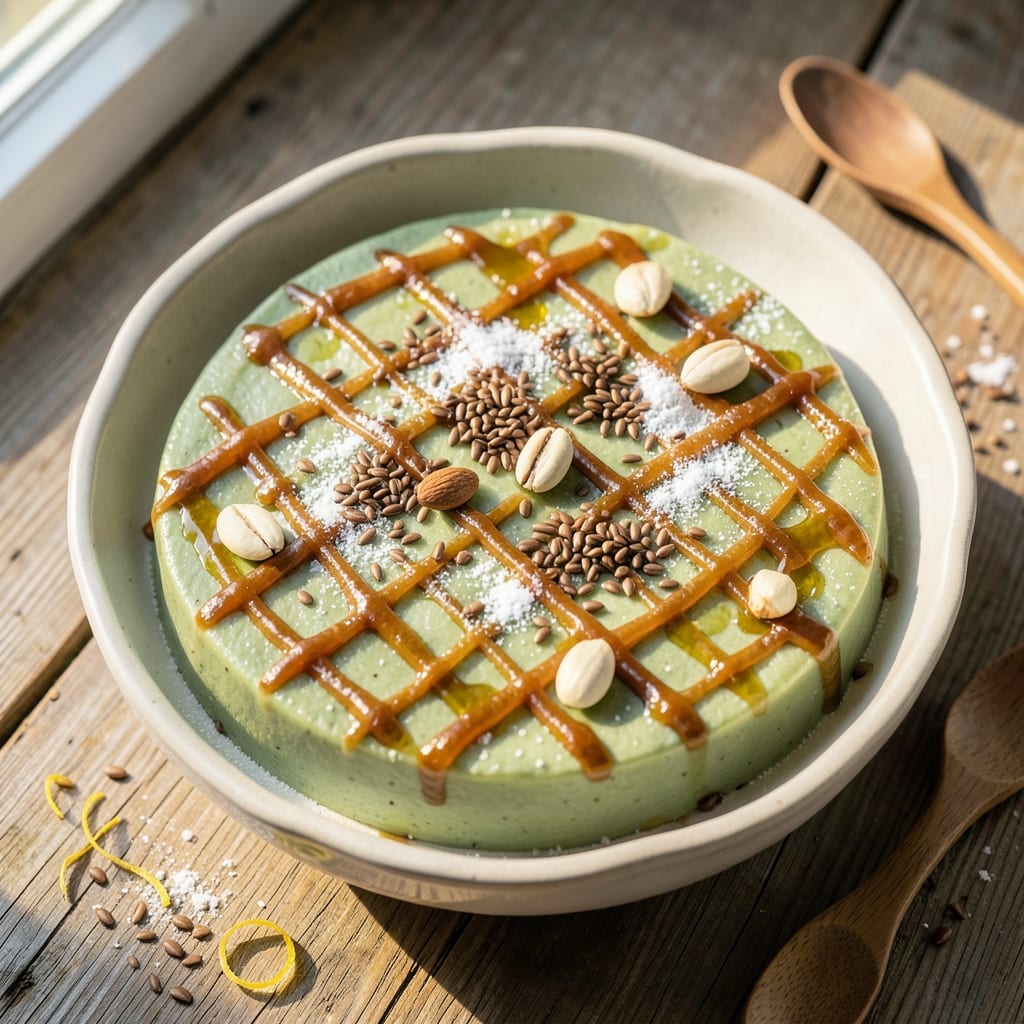
This aloe vera cake recipe delivers a uniquely moist, vegan dessert that combines soothing aloe gel with bright citrus notes—perfect for health-conscious bakers who crave both nutrition and indulgence. The secret lies in aloe vera's natural hydration properties, which replace traditional oils while maintaining that signature tender crumb. I developed this recipe after years of experimenting with plant-based desserts that actually taste decadent, not like a compromise.
The cake's magic comes from a simple yet effective technique: blending fresh aloe gel with citrus zest and juice creates a tender, moist batter that bakes up with a delicate golden crust. Unlike conventional cakes, this version requires no butter substitutes—just flax eggs and coconut oil for binding and richness. The result is a cake that's naturally sweetened, packed with antioxidants, and surprisingly light for its density.
What you'll end up with is a beautifully layered cake that's moist without being heavy, with subtle citrus notes that brighten every bite. The aloe vera adds a gentle sweetness while providing digestive benefits, making this more than just dessert—it's a wellness treat. Perfect for brunch gatherings, health-conscious celebrations, or simply satisfying that afternoon sweet tooth.
Serve with coconut whipped cream and fresh berries for a complete vegan dessert experience. The cake keeps well for up to 3 days when stored properly, making it ideal for meal prep. Here's everything you need to create this nourishing yet indulgent treat.
Ingredients for aloe vera cake
Bright citrus zest meets aloe vera's soothing gel for a vegan cake that's moist yet light.
| Ingredient | Amount | Notes |
|---|---|---|
| Aloe Vera Gel 🌱 | 1 cup | Fresh, pure, no additives |
| All-Purpose Flour 🌾 | 2 cups | Unbleached, sifted before measuring |
| Coconut Sugar 🍯 | ¾ cup | Fine granulation for even dissolving |
| Ground Flaxseed 🌾 | ½ cup | Freshly ground for best binding |
| Unsweetened Almond Milk 🥛 | 1 cup | Room temperature, unscented |
| Extra-Virgin Olive Oil 🫒 | ½ cup | Light, fruity variety preferred |
| Lemon Zest 🍋 | 2 tbsp | Organic lemons for vibrant flavor |
| Lemon Juice 🍋 | ¼ cup | Freshly squeezed, no pulp |
| Orange Zest 🍊 | 1 tbsp | Blood orange for deeper flavor |
| Baking Powder 🧂 | 2 tsp | Aluminum-free for vegan compatibility |
| Salt 🧂 | ½ tsp | Fine sea salt for even distribution |
| Vanilla Extract 🌸 | 1 tsp | Pure vanilla, no alcohol fillers |
| Coconut Whipped Cream 🥥 | 1 ½ cups | Store-bought or homemade (optional) |
| Fresh Mixed Berries 🍓 | 1 ½ cups | For garnish, sliced strawberries preferred |
The aloe vera gel is the heart of this recipe—look for pure, additive-free gel from health food stores or organic markets. Whole Foods or Trader Joe's carry excellent options, but avoid anything with preservatives or artificial colors. The citrus zest should come from organic lemons and oranges to maximize flavor and avoid bitterness. For the flour, King Arthur Unbleached All-Purpose is my go-to for consistent results, though any high-quality brand works. Pre-sift the flour to eliminate lumps and ensure an even crumb. The coconut sugar adds natural sweetness while maintaining the cake's vegan status—avoid regular sugar as it lacks the moisture-retaining properties of coconut sugar.
No aloe vera gel? Substitute with 1 cup unsweetened applesauce, though texture will differ slightly. For the citrus zest, lime zest works in place of orange, but the flavor profile shifts. The flax eggs are non-negotiable for binding—never skip this step or the cake will crumble. If you're sensitive to coconut flavor, replace the almond milk with oat milk and reduce the olive oil to 0.375 cups. The baking powder must be aluminum-free to align with vegan standards; Bob's Red Mill sells a reliable brand. For extra moisture, add 1 tbsp of vegan yogurt to the batter, but don't overmix once combined.
This cake stays fresh for 3 days at room temperature when wrapped tightly in parchment paper, or up to 5 days refrigerated. For longer storage, slice and freeze individual portions for up to 3 months—thaw at room temperature before serving. The coconut whipped cream should be added fresh to avoid sogginess, but you can prep it a day ahead and store it chilled. Garnish with berries just before serving to preserve their vibrant color. Leftovers reheat beautifully in the microwave for 10 seconds to restore moisture without drying out the crumb.
Why You'll Love This Recipe
- No-Mix Magic: I swear by this recipe—just blend, pour, and bake. The aloe vera gel keeps it moist without extra fuss, and the flaxseed "egg" means no scrambling for substitutes.
- Sweet & Soothing: That coconut sugar caramelizes just enough to give it a subtle buttery depth, while the aloe vera adds a faint, refreshing bite—like a hug for your taste buds.
- Weeknight Workhorse: Slice it for breakfast, pack it for lunch, or serve it chilled with tea—it’s my go-to when I need something reliable that doesn’t scream "I spent hours."
- Budget Bright Spot: Uses pantry staples (flour, sugar) and aloe vera’s natural sweetness cuts back on extra sweeteners. Plus, it keeps for days, so I’m not tempted to order dessert.
Step-by-step instructions for aloe vera cake with citrus zing
Here's the method for a perfectly moist, citrus-infused aloe vera cake that delivers on texture and flavor.
Prepare the Aloe Vera and Flaxseed Mixture
In a medium bowl, combine the 1 cup Aloe Vera Gel with the 0.5 cup Ground Flaxseed and 1 cup Unsweetened Almond Milk. Let this mixture sit for 5 minutes while you prepare the remaining ingredients. The flaxseed will thicken slightly, creating a natural egg substitute that binds the cake beautifully.
Stir occasionally during this time to ensure even distribution. You'll notice the mixture become slightly gel-like—this is crucial for that signature moist texture. If using freshly ground flaxseed, the thickening effect will be more pronounced, which is exactly what we want for this recipe.
Mix Dry Ingredients and Combine with Wet
In a separate large bowl, whisk together the 2 cups All-Purpose Flour, 0.75 cup Coconut Sugar, 2 tsp Baking Powder, and 0.5 tsp Salt. Sift the flour first to eliminate any lumps that could create dense pockets in the cake. Add the 2 tbsp Lemon Zest, 1 tbsp Orange Zest, and 1 tsp Vanilla Extract to the dry mixture and stir gently to distribute the citrus flavors evenly.
Create a well in the center of the dry ingredients and pour in the aloe vera-flaxseed mixture. Add the 0.5 cup Extra-Virgin Olive Oil and 0.25 cup Lemon Juice to the well. Using a spatula, gently fold everything together just until combined—avoid overmixing, which develops gluten and makes the cake tough. The batter should be thick but pourable, with no visible flour streaks remaining.
Bake for Perfect Moisture and Texture
Preheat your oven to 350°F and grease two 8-inch round cake pans with olive oil or line them with parchment paper. Divide the batter evenly between the pans and smooth the tops with a spatula. Bake for 30-35 minutes or until a toothpick inserted into the center comes out clean. The edges should be lightly golden while the center remains tender.
Here's the thing about aloe vera cakes—they rise less dramatically than traditional cakes, so don't be alarmed if they don't double in height. The key is that internal temperature: the cake should reach 205-210°F at the center. Remove from the oven and let cool in the pans for 10 minutes, then transfer to a wire rack to cool completely before assembling.
Assemble with Citrus Whipped Cream
Once the cakes have cooled completely, level the tops if needed. In a separate bowl, whip the 1.5 cups Coconut Whipped Cream until soft peaks form. Spread a layer of the whipped cream between the two cake layers, then place the second layer on top. This creates a moist barrier that prevents dryness while adding luxurious texture.
For the final touch, arrange the 1.5 cups Fresh Mixed Berries on top of the cake in an aesthetically pleasing pattern. The berries not only add visual appeal but also complement the citrus flavors perfectly. Serve immediately or refrigerate for up to 2 hours before serving to let the flavors meld.
Pro Tips For Making Aloe Vera Cake
- BLEND ALOE FIRST: Mix the aloe vera gel with the almond milk before adding it to the dry ingredients—this prevents clumping and makes the batter smoother. I learned this the hard way after scraping stubborn gel chunks out of my mixer.
- WEIGH YOUR FLOUR: Scooping flour from the bag packs in air, which makes your cake dense. Use a kitchen scale for 1:1 substitution—250g of flour gives you a lighter texture without overmixing.
- BAKE UNTIL SET: This isn’t a cake that jiggles in the center—bake until a toothpick comes out clean or with one moist crumb. Overbaking dries out the aloe flavor; underbaking leaves it gummy.
- SWAP COCONUT SUGAR: Coconut sugar caramelizes faster than white sugar. If your oven runs hot, reduce the temperature by 25°F (15°C) or brush the top with almond milk halfway through to prevent browning. (Yes, even if you’re impatient like me.)
Troubleshooting this dish
Dense Cake Texture
If your aloe vera cake turns out dense rather than light and airy, it’s likely due to overmixing the batter. The aloe vera gel and flax eggs create a delicate balance—once you combine the wet and dry ingredients, fold just until no dry spots remain. Overmixing develops gluten in the flour, which makes the cake tough. I’ve found that using a spatula and folding gently (about 15-20 strokes) keeps the texture tender. Also, ensure your baking powder is fresh—old baking powder loses its lift. 🌱
Dry or Crumbly Texture
A dry or crumbly cake usually means the aloe vera gel wasn’t properly hydrated or the flax eggs didn’t thicken enough. First, double-check that your aloe vera gel is fresh and pure (no additives or preservatives). If the gel is old or dried out, it won’t provide enough moisture. For the flax eggs, let them sit for at least 5 minutes before mixing—they need time to gel. If the cake still feels dry, add 1 tablespoon of unsweetened applesauce to the batter for extra moisture. Store-bought aloe gel often works better than homemade for consistency.
Cake Didn’t Rise
Aloe vera cakes naturally rise less than traditional cakes, but if yours barely rises at all, check your baking powder and oven temperature. Use aluminum-free baking powder (like Bob’s Red Mill) and preheat your oven to 350°F—any lower, and the cake won’t set properly. Avoid opening the oven door during the first 20 minutes of baking, as temperature fluctuations can prevent rising. If the cake still doesn’t rise, try adding ½ teaspoon of apple cider vinegar to the batter to react with the baking powder for extra lift.
Soggy Bottom or Sides
Sogginess often happens when the cake isn’t fully cooled before removing it from the pan or when the pan isn’t properly greased. Always let the cake cool in the pan for 10 minutes before transferring to a wire rack. Grease your 8-inch round cake pans generously with extra-virgin olive oil or line them with parchment paper to prevent sticking. If the cake still feels damp, bake it for 5-10 minutes longer to ensure the center reaches 205-210°F. Avoid overfilling the pans—divide the batter evenly to prevent overflow.
Citrus Flavor Too Overpowering
If the lemon and orange zest flavors dominate the cake, you can adjust the balance by reducing the zest slightly next time. Start with 1 tablespoon of lemon zest and ½ tablespoon of orange zest instead of the full amounts. Alternatively, add a pinch of ground cinnamon or cardamom to complement the citrus without overpowering it. Taste the batter before baking—if it’s too sharp, add ½ teaspoon of vanilla extract or a splash of almond milk to mellow the flavors. 🍊
Cake Sticks to Pans
Sticking happens when the batter isn’t properly released from the pan or the pan isn’t well-greased. Always grease your pans thoroughly with olive oil or use parchment paper liners for easy removal. If the cake still sticks, try dusting the pans with flour before adding the batter, but don’t overdo it—too much flour can dry out the cake. For stubborn sticking, run a thin knife around the edges of the pan before removing the cake. If all else fails, use a spatula to gently pry the cake loose from the sides.
Nutrition facts
Frequently asked questions
Is this aloe vera cake truly vegan?
Yes! This recipe uses plant-based ingredients like aloe vera gel, flax eggs, coconut sugar, and olive oil—no animal products at all. The flaxseed mixture replaces eggs perfectly, and coconut whipped cream keeps it fully vegan.
Can I substitute store-bought aloe vera gel?
but choose pure aloe vera gel with no additives or preservatives. Store-bought gel often works better than homemade for consistent moisture. Look for brands at health food stores or organic markets. If using homemade, ensure it's fresh and well-hydrated.
How do I store leftovers to keep them moist?
Wrap tightly in parchment paper and store at room temperature for 3 days, or refrigerate for 5 days. For longer storage, freeze slices wrapped individually for up to 3 months. Reheat for 10 seconds in the microwave to restore moisture.
What if I don't have citrus zest?
No problem! Use 1 teaspoon of lemon juice instead of zest for each tablespoon called for. The flavor will be slightly different but still delicious. For orange flavor, try ½ teaspoon of orange extract (ensure it's vegan-friendly).
Can I make this cake gluten-free?
Yes! Replace the all-purpose flour with a 1:1 gluten-free baking flour blend like Bob's Red Mill. You may need to add ½ teaspoon of xanthan gum to improve texture. Keep all other ingredients the same, but expect slightly different rise characteristics.