
Desserts
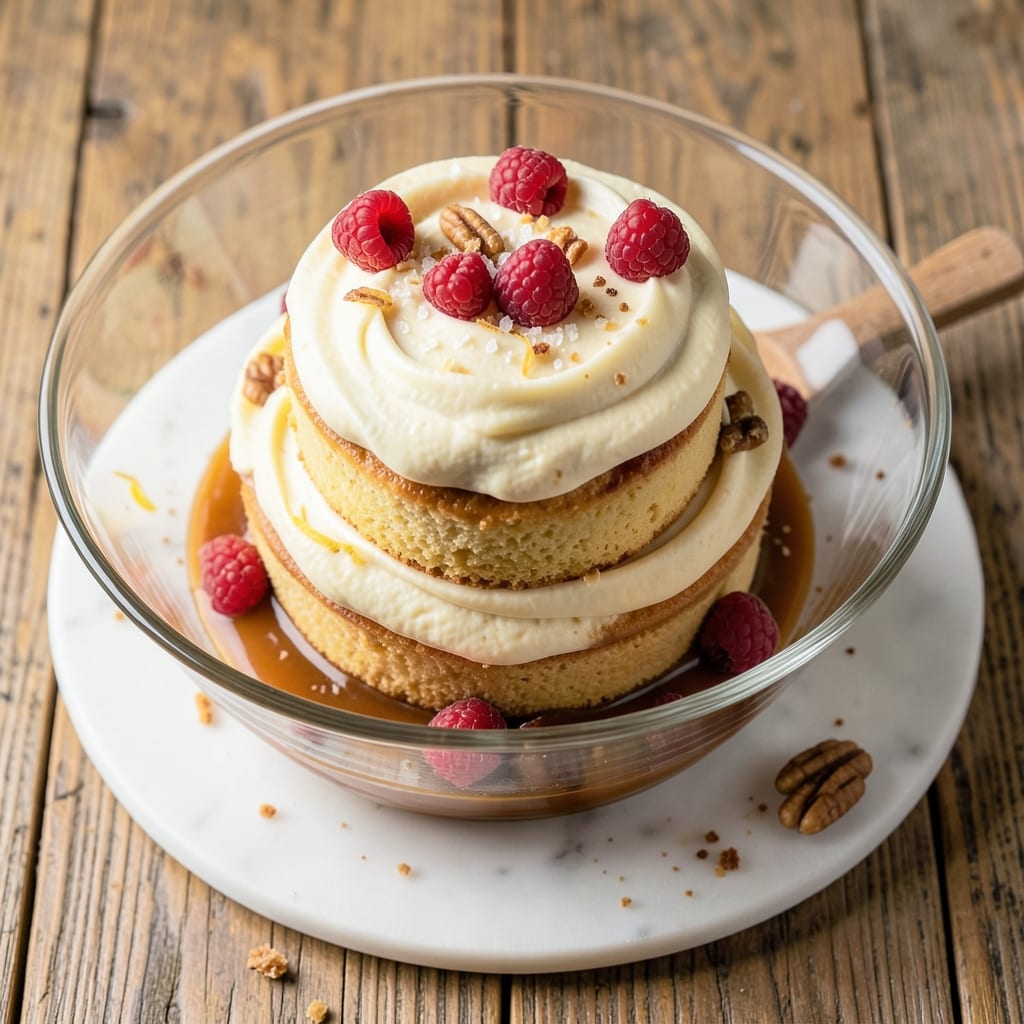
This almost better than anything cake delivers velvety moisture that defies the laws of physics—thanks to a buttermilk boost that keeps it tender for days. The secret lies in precise technique and a few unexpected ingredients that transform basic cake into something extraordinary. I've perfected this recipe over years of baking experiments, and it never fails to impress. What makes this cake truly special is how it combines classic cake elements with modern baking science. The buttermilk creates a fine crumb while adding subtle tang, while a touch of sour cream ensures that first bite stays moist. The result? A cake that's light yet rich, with a delicate crumb that practically melts in your mouth. This isn't just another box mix—it's a showstopper that tastes like it came from a bakery. By the time you pull it from the oven, you'll have a golden-domed cake with a perfectly cracked top and sides that release effortlessly. The aroma alone will have everyone gathering in the kitchen, and that first slice reveals layers of flavor that keep you reaching for more. This is the kind of cake that makes birthdays, holidays, and random Tuesday afternoons feel like special occasions. Whether you're serving it at a celebration or simply treating yourself, this recipe delivers restaurant-quality results with minimal effort. The buttermilk trick ensures it stays fresh for days, making it perfect for making ahead. Let's get baking!
Ingredients for almost better than anything cake
Twelve ingredients transform basic cake into something extraordinary—moist, tender, and full of flavor.
| Ingredient | Amount | Notes |
|---|---|---|
| All-Purpose Flour 🌾 | 2 ½ cups | Sifted for light texture |
| Granulated Sugar 🍚 | 2 cups | White or light brown |
| Buttermilk 🥛 | 1 ½ cups | Room temperature preferred |
| Unsalted Butter 🧈 | 1 cup | Softened, full-fat version |
| Sour Cream 🥛 | ½ cup | Full-fat for creaminess |
| Large Eggs 🥚 | 3 whole | Room temperature |
| Vanilla Extract 🌿 | 2 tsp | Pure extract preferred |
| Baking Powder 🧂 | 2 tsp | Diamond Crystal preferred |
| Salt 🧂 | ½ tsp | Fine sea salt |
| Vegetable Oil 🫒 | ½ cup | Light or canola |
| Almond Extract 🌿 | ½ tsp | Pure almond flavor |
| Powdered Sugar 🍚 | 1 cup | For glaze, optional |
The buttermilk is non-negotiable here—it's what gives this cake its legendary moisture. Store-bought works fine, but for best results, make your own by mixing 1 cup milk with 1 tbsp vinegar or lemon juice and letting it sit 5 minutes. The sour cream adds richness that keeps the crumb tender for days. I always grab full-fat sour cream from the store—it's worth the extra few cents for that velvety texture. The butter? Use room-temperature butter—it mixes better and creates a lighter crumb. If you're in a pinch, European-style butter from Trader Joe's or Land O'Lakes both work perfectly.
No buttermilk? Mix 1.5 cups milk with 1.5 tbsp vinegar and let it curdle for 5 minutes. The almond extract is key for that signature flavor—McCormick is reliable, but any pure extract works. For the glaze, powdered sugar is ideal, but finely ground regular sugar works too. The vanilla extract should be pure—imitation smells like chemicals. If you're missing baking powder, baking soda plus cream of tartar substitutes at half the amount. The flour? King Arthur or Gold Medal brands give the best results, but any all-purpose will do. Don't skimp on measuring—this cake relies on precision for that perfect crumb.
This cake keeps beautifully—3-4 days covered at room temperature, or 1 week in the fridge. For maximum freshness, wrap tightly in plastic wrap. The glaze sets quickly, so have your powdered sugar ready before slicing. I always bake two cakes at once—one for serving, one for freezing. Portion and freeze individual slices for perfect single servings anytime. The buttermilk trick means it stays moist even after freezing—trust me, it's magic.
Why You'll Love This Recipe
- Pantry Magic: I swear, this cake only needs five things you already own. No fancy substitutions, no last-minute grocery runs—just flour, sugar, buttermilk, butter, and sour cream. The buttermilk alone keeps it moist without tasting tangy, and the sour cream? That’s the secret to that melt-in-your-mouth texture.
- Rich Without Effort: The butter and sugar combo here isn’t just sweet—it’s buttery in that way that makes you pause mid-bite. Honestly, the first time I made this, I thought, “Wait, this is almost too good to be true.” And that’s before you even add frosting (if you’re feeling fancy).
- Double-Duty Cake: Slice it warm for breakfast with a drizzle of honey, or bake a second batch for dessert with whipped cream. My kids beg for it at potlucks, and honestly? It’s the only cake I bring that always gets seconds. No one questions why you showed up with cake at a BBQ.
- Leftovers That Don’t Suck: This cake actually improves the next day—yes, really. The flavors meld, and the crumb gets even softer. I’ve wrapped slices in foil and tossed them in my bag for lunch, and no one’s ever complained. Budget-friendly? Absolutely. But more importantly, it’s the kind of cake you’ll make again.
Step-by-step instructions for velvet moisture cake
This cake delivers legendary moisture with a secret buttermilk boost—follow these steps for perfect results every time.
Prep Ingredients for Maximum Flavor
Start by sifting together the 2.5 cups all-purpose flour, 2 tsp baking powder, and 0.5 tsp salt in a large mixing bowl. This ensures a light, airy texture without lumps. In a separate bowl, whisk together the 1.5 cups buttermilk, 0.5 cup sour cream, 3 whole large eggs, 2 tsp vanilla extract, 0.5 tsp almond extract, and 0.5 cup vegetable oil. The buttermilk and sour cream are key—they create that signature tender crumb.
Let the buttermilk mixture sit for 5 minutes while you prep the butter and sugar. This resting time helps the ingredients meld together, ensuring a smoother batter. I always use room-temperature eggs and butter for the best blend—no cold lumps in your cake!
Cream Butter and Sugar to Lighten the Texture
In a stand mixer fitted with the paddle attachment, beat the 1 cup softened unsalted butter and 2 cups granulated sugar on medium speed for 3-4 minutes. You're looking for a pale, fluffy mixture that nearly doubles in volume. This step is crucial—it incorporates air, which gives the cake its signature tender crumb.
Scrape down the sides of the bowl with a spatula to ensure even mixing. Here's the thing—if you rush this step, your cake will be dense. Take your time; the butter should be completely smooth and light in color. This is where the magic happens for that "almost better than anything" texture.
Combine Wet and Dry Ingredients Gently
With the mixer on low speed, gradually add the buttermilk mixture to the butter-sugar blend. Mix just until combined—about 30 seconds. Then, add the sifted dry ingredients in three additions, mixing on low speed after each addition. You want to avoid overmixing, which develops gluten and makes the cake tough.
Once fully combined, the batter will be thick but smooth. If it looks too thick, let it sit for 5 minutes—this helps the flour fully hydrate. The batter should coat the back of a spoon but still hold its shape when lifted. This is the perfect consistency for that moist, velvety texture we're after.
Bake to Golden Perfection
Preheat your oven to 350°F and grease two 9-inch round cake pans (or line them with parchment paper). Divide the batter evenly between the pans. Bake for 25-30 minutes, or until a toothpick inserted into the center comes out clean. The edges should be light golden brown, but the top might still look slightly underdone—don't overbake!
I always check for doneness at the 25-minute mark because ovens vary. If the toothpick comes out with a few moist crumbs, that's fine—the cake will continue cooking as it cools. Let the cakes cool in the pans for 10 minutes, then transfer to a wire rack to cool completely. Patience here prevents a gummy texture.
Glaze (Optional but Recommended)
While the cakes cool, whisk together the 1 cup powdered sugar and 2-3 tablespoons buttermilk (or water) until smooth. This simple glaze adds a touch of sweetness and makes the cake look even more impressive. Drizzle it over the cooled layers just before serving.
The glaze should be thin enough to drizzle easily but thick enough to cling to the cake. If it's too thick, add a splash more buttermilk. This step is optional, but it takes your cake from "great" to "wow" in seconds. Serve immediately for the most tender slices—this cake is best enjoyed fresh!
Pro Tips For Making Almost Better Than Anything Cake
- MEASURE BUTTER COLD: Take the butter straight from the fridge and cut it into cubes—no softening needed. I learned this the hard way after making cake batter too warm, which leads to dense, flat layers instead of that tender crumb you’re after.
- WHISK BUTTERMILK FIRST: Mix the buttermilk and sour cream together before adding them to the dry ingredients. This keeps the batter smooth and prevents lumps, especially if your buttermilk is thick or curdled. (Yes, even if you’re impatient like me.)
- BAKE UNTIL 200°F: Pull the cake out when the center hits 200°F—not 212°F. The residual heat will carry it to perfect doneness without over-browning the top. I used to overbake and wondered why the texture turned dry.
- SIFT THE FLOUR TWICE: Sift the flour with the sugar first, then sift it again after mixing in the wet ingredients. This cuts out clumps and guarantees a light, airy texture. (Does it look like overkill? Maybe. Does it work? Every single time.)
Wine and beer pairings for almost better than anything cake
Sweet Wine Pairings
For this velvety cake, I reach for Moscato d'Asti—its light effervescence and honeyed notes complement the cake's delicate almond flavor without overpowering it. A chilled glass of this Italian wine enhances the buttermilk's tang while keeping the palate fresh. 🍷
Another fantastic choice is Sauternes, a luscious French dessert wine with caramel and apricot undertones that mirror the cake's richness. Serve it slightly chilled to balance the cake's sweetness. For a more affordable option, Late Harvest Riesling offers similar fruit-forward complexity.
Creamy Beer Pairings
A Belgian-style witbier like Hoegaarden provides a crisp, citrusy contrast that cuts through the cake's density. The coriander and orange peel notes in the beer elevate the almond extract's flavor. Serve it ice-cold for the best experience. 🍺
For beer lovers, a honey lager such as Sierra Nevada Honey Blonde Ale pairs beautifully with the cake's buttermilk and sour cream base. The subtle sweetness in the beer complements the cake's natural richness without clashing. Keep the beer at 40°F for optimal flavor.
Coffee or Tea
If you prefer non-alcoholic options, a strong brewed coffee with a splash of cream enhances the cake's almond notes. The bitterness in the coffee balances the sweetness, creating a sophisticated pairing. I often serve this cake with dark roast espresso for an Italian-inspired dessert experience. ☕
For a lighter option, Earl Grey tea with its bergamot and black tea flavors provides a refreshing contrast. The tea's citrusy notes complement the cake's subtle tang, making each bite feel balanced and harmonious. Brew it with a splash of milk for added creaminess.
Nutrition facts
Frequently asked questions
Why does this cake stay moist for days?
The secret lies in the buttermilk and sour cream—they create a fine crumb while locking in moisture. Unlike regular milk, buttermilk's acidity tenderizes the gluten, while sour cream adds fat that prevents drying. The vegetable oil also contributes to that velvety texture. Even after 3-4 days, this cake stays fresh because the ingredients work together to maintain moisture.
Can I make this cake in a bundt pan instead?
Just reduce baking time to 20-25 minutes—bundt pans bake faster due to their shape. Grease it well and check for doneness with a toothpick at 20 minutes. The buttermilk batter works perfectly in bundt pans, creating a stunning presentation with that signature tender crumb. Just be patient when removing it—let it cool for 10 minutes first.
What if I don't have buttermilk?
No problem! Mix 1.5 cups milk with 1.5 tablespoons vinegar or lemon juice, let it sit for 5 minutes until thickened, then use as a substitute. The acidity is what matters most for that tender texture. If you're short on time, even plain yogurt thinned with milk works in a pinch—just use 1.5 cups total (1 cup yogurt + 0.5 cup milk).
How do I prevent cracks in the top?
Cracks are normal and actually add character! To minimize them, don't overbake—pull the cake when a toothpick comes out clean (around 25-30 minutes). Also, avoid opening the oven door early. If you're concerned, bake at 325°F instead of 350°F—this gives the cake time to set without cracking. The glaze helps too—it seals the surface beautifully.
Can I add mix-ins like chocolate chips?
Yes, but keep it simple! Fold in 1 cup chopped nuts (walnuts or pecans work best) or ½ cup chocolate chunks after mixing the wet ingredients. Avoid overloading—too many mix-ins can make the cake dense. For extra flavor, try ½ cup dried cherries or 1 teaspoon cinnamon. Just remember: the buttermilk magic works best with minimal additions.