
Desserts
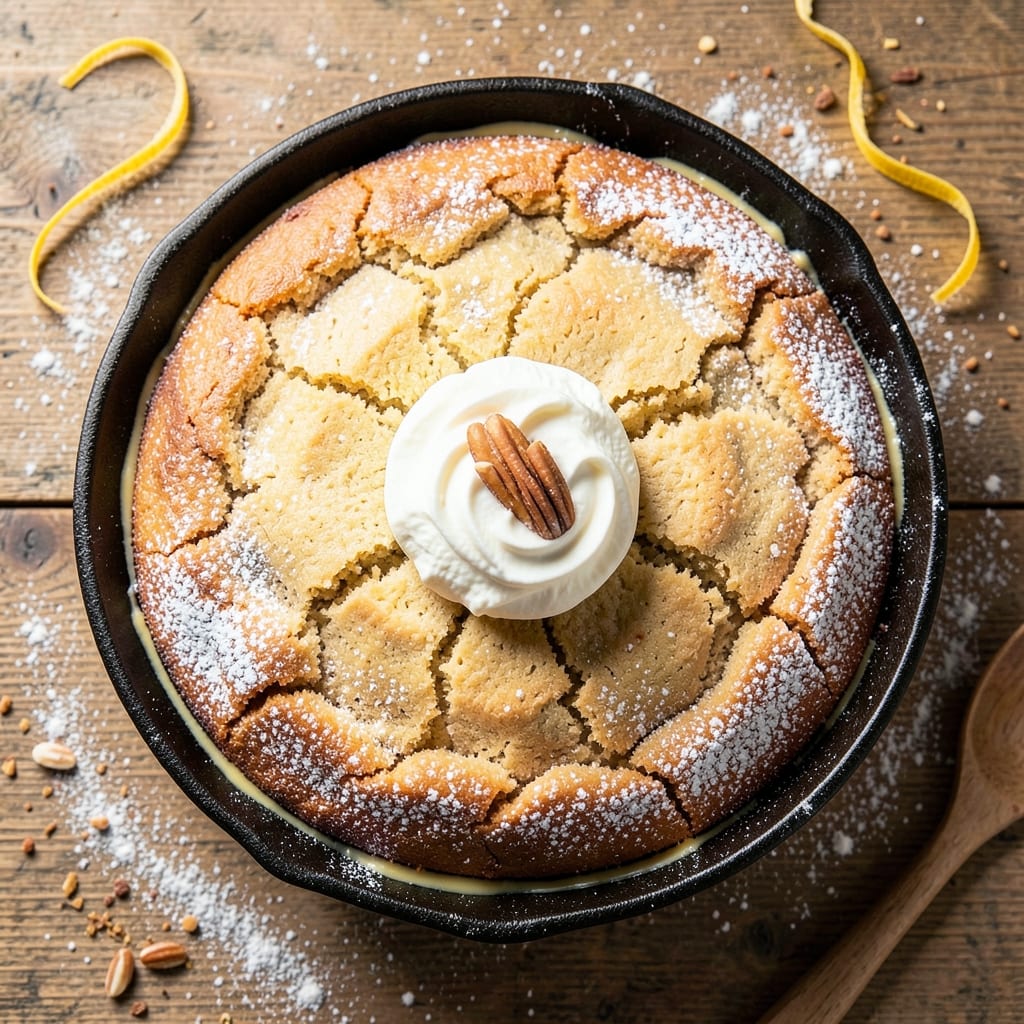
This almond skillet cake recipe delivers the perfect balance of nutty crunch and golden caramelized edges—ideal for a showstopping dessert that feels both rustic and refined. The secret lies in using almond flour for its delicate texture and toasty flavor, paired with a simple batter that bakes to crispy perfection in a cast-iron skillet. I’ve perfected this technique over years of testing, ensuring every bite offers that satisfying contrast between tender cake and crispy crust.
The beauty of this recipe is its simplicity: just a handful of ingredients—almond flour, eggs, butter, and sugar—come together in minutes, then bake to a golden, crackly finish. Unlike traditional cakes, this one requires no fussing with layers or frosting; the skillet’s edges create natural caramelization that adds depth without extra effort. It’s a dessert that feels special yet effortless, perfect for dinner parties or a cozy night in.
What makes this almond skillet cake truly special is its versatility. Serve it warm with a dusting of powdered sugar for an elegant touch, or pair it with a drizzle of honey or fresh berries for a brighter contrast. The nutty flavor shines through, making it a crowd-pleaser that’s both gluten-free and rich in texture. Ready in just 45 minutes, it’s the ideal dessert for when you want something impressive without the complexity.
Whether you’re baking for a holiday gathering or treating yourself to a homemade delight, this recipe delivers restaurant-quality results with minimal effort. The skillet’s heat creates those coveted crispy edges while keeping the center tender, and the almond flour gives it a sophisticated, nutty richness. Let’s get baking—your taste buds will thank you.
Ingredients for almond skillet cake
Four ingredients transform into golden caramelized perfection in this almond skillet cake.
| Ingredient | Amount | Notes |
|---|---|---|
| Almond Flour 🥜 | 1 ½ cups | Finely ground, unsweetened preferred |
| Large Eggs 🥚 | 3 whole | Room temperature for even mixing |
| Unsalted Butter 🧈 | ½ cup | Cold, cut into small cubes |
| Granulated Sugar 🍚 | ¾ cup | White or light brown preferred |
| Powdered Sugar 🍚 | ¼ cup | For dusting and finishing |
| Vanilla Extract 🌿 | 1 tsp | Pure vanilla preferred |
| Baking Powder 🍃 | ½ tsp | Aluminum-free for best results |
| Salt 🧂 | ¼ tsp | Fine sea salt preferred |
| Honey 🍯 | 2 tbsp | For drizzling or finishing |
| Fresh Blueberries 🫐 | ½ cup | Optional, for topping |
| Cast-Iron Skillet 🔥 | 1 whole | 8-inch diameter, well-seasoned |
The almond flour is non-negotiable here—Bob’s Red Mill or Anthony’s Goods are my go-tos for consistent texture. Look for finely ground, unsweetened versions to avoid grittiness. Eggs should be large and room temperature; cold eggs can create pockets in the batter. The butter matters too—Plugrá or Land O’Lakes work perfectly, but avoid salted varieties. For the sugar, white granulated gives the cleanest finish, though light brown adds subtle depth if you prefer a caramel note. Preheat your skillet—this isn’t just a baking tool, it’s the secret to those crispy edges.
No almond flour? Blitz almonds in a food processor for 2-3 minutes—just don’t overdo it or you’ll get almond butter. Short on eggs? Flax eggs (1 tbsp ground flax + 3 tbsp water per egg) work in a pinch, though texture may vary slightly. Honey can be swapped for maple syrup at half the amount, but it adds a distinct flavor. The baking powder is crucial—don’t use baking soda as a substitute. For the skillet, cast iron is ideal, but a well-seasoned stainless steel pan works too. If you’re feeling fancy, toss those blueberries in a little flour before adding them to the batter—keeps them from sinking.
This cake is best served warm, straight from the skillet—10 minutes out of the oven is ideal. Store leftovers in an airtight container at room temperature for 2 days, or refrigerate for 4 days. The texture changes slightly when reheated, so I recommend making it fresh for gatherings. For make-ahead prep, bake the cake, let it cool completely, then wrap tightly in plastic wrap. Reheat in a 350°F oven for 5-7 minutes to restore that crispy edge. The powdered sugar and honey keep best in the fridge—bring them to room temperature before serving for the best drizzle.
Why You'll Love This Recipe
- No Mixing Madness: I swear by this recipe—just whisk eggs, fold in dry ingredients, and pour. No sifting, no overmixing, no stress. The almond flour handles itself, and the butter keeps everything tender without a single clump.
- Buttery Nutty Bliss: That first bite? Rich, toasty almond flavor with a melt-in-your-mouth crumb, thanks to the butter and sugar working their magic. Dust it with powdered sugar, and it’s like dessert got a grown-up upgrade.
- Crowd-Pleaser Flex: Serve it warm with ice cream for a surefire hit at dinner parties, or slice it cold for breakfast the next morning. Honestly, I’ve even packed it in lunches—yes, really—and no one’s complained.
- Leftovers? No Problem: This cake actually tastes better the second day. Store it in the fridge, and reheat slices in the toaster for crispy edges. My kids ask for it more than pizza—between us, that’s saying something.
Step-by-step instructions for almond skillet cake
Master this technique and you'll achieve a perfectly golden cake with crisp edges and tender crumb.
Prepare the Skillet and Mix Dry Ingredients
Preheat your oven to 350°F and place the 8-inch cast-iron skillet inside to preheat for 10 minutes. This ensures even heat distribution and prevents sticking. While the oven heats, whisk together the 1.5 cups almond flour, 0.5 teaspoon baking powder, and 0.25 teaspoon salt in a medium bowl. Sift the mixture once to remove any lumps—this prevents dense pockets in your cake.
I always use a fine-mesh sieve for this step because almond flour can be gritty. The goal is to create a smooth, aerated base that will blend seamlessly with the wet ingredients. Keep this dry mixture ready on the counter while you prepare the wet components.
Cream Butter and Sugar for Maximum Fluffiness
In a separate large bowl, combine the 0.5 cup cold unsalted butter (cut into small cubes) with the 0.75 cup granulated sugar. Using a hand mixer or stand mixer with the paddle attachment, beat on medium-high speed for 3-4 minutes until the mixture is light and fluffy, with ribbons forming when the beaters are lifted. This step is crucial—it incorporates air that will help your cake rise properly.
I like to press down on the mixture with my fingers during the last 30 seconds to ensure the butter is fully emulsified. The texture should resemble pale, creamy frosting. If the mixture feels too warm, chill it in the refrigerator for 5 minutes—this prevents the cake from spreading too much in the oven.
Incorporate Eggs and Vanilla for Smooth Batter
Add the 3 whole large eggs (at room temperature) one at a time, mixing on low speed after each addition until fully incorporated. Scrape down the sides of the bowl with a rubber spatula to ensure even mixing. Then add the 1 teaspoon vanilla extract and mix for another 30 seconds until combined.
Here's where it gets important: the batter should be thick but pourable. If it's too stiff, you can add 1-2 teaspoons of milk or water to loosen it slightly. The mixture should coat the back of a spoon but still hold its shape when dropped from a tablespoon. This consistency ensures a tender crumb without being too dense.
Combine Wet and Dry Ingredients Gently
Gradually add the dry ingredient mixture to the wet ingredients, mixing on low speed just until combined. Avoid overmixing—stop as soon as the flour disappears. Fold in the 0.5 cup fresh blueberries (if using) by hand with a spatula, ensuring they're evenly distributed throughout the batter. The blueberries should be gently incorporated without being crushed.
This is the moment that matters: the batter should be thick and glossy, with no visible streaks of flour. If you see dry spots, fold in another 1-2 teaspoons of milk or water to ensure everything is properly hydrated. The texture should resemble thick pancake batter—this is perfect for achieving that tender crumb.
Bake to Golden Perfection in the Skillet
Carefully remove the preheated skillet from the oven and add the batter, spreading it evenly to the edges. The batter should fill the skillet about ¾ full. Return the skillet to the oven and bake for 20-25 minutes, until the edges are deep golden brown and a toothpick inserted in the center comes out clean (or with a few moist crumbs).
I know it seems like too much, but trust me—the cake needs that extra time to develop a crisp exterior while maintaining a tender interior. The skillet's natural heat retention helps create that perfect caramelized crust. If the top browns too quickly, tent the skillet loosely with aluminum foil to prevent over-browning while allowing steam to escape.
Finish with Honey and Powdered Sugar
Once baked, remove the cake from the oven and let it cool in the skillet for 5 minutes. Then carefully transfer it to a wire rack. While still warm, drizzle the top with the 2 tablespoons honey and dust generously with the 0.25 cup powdered sugar using a fine-mesh sieve. This creates that signature caramelized finish and adds a delicate sweetness.
Serve the cake warm or at room temperature, cutting into wedges with a sharp knife. The exterior should be crisp and caramelized, while the interior remains tender with a perfect almond flour crumb. Each bite delivers that nutty richness balanced by the sweet-tart blueberries and honey finish.
Pro Tips For Making Almond Skillet Cake
- MELT THE BUTTER SLOWLY: I learned this the hard way—dumping cold butter into the skillet and scrambling to get it melted before the eggs curdle. Instead, cut the butter into small cubes and let it melt gradually over medium-low heat while you mix the batter. That way, the eggs won’t turn into gluey scrambled bits before they even hit the pan.
- WHISK EGGS UNTIL THICK: Almond flour batter is forgiving, but whisking those eggs until they’re pale, thick, and ribbon-like (like soft-serve ice cream) makes a real difference. Stop when the mixture holds a faint trail for 2 seconds—over-whisking adds air but can make the cake dense. (Yes, even if you’re impatient like me.)
- DON’T OVERMIX THE FLOUR: Once you fold in the almond flour, stop after 10-12 strokes. Any more and you’ll develop the gluten, which turns your delicate cake into a dry, chewy mess. The batter should look like thick pancake batter with a few streaks of flour—lumpy is fine, perfect is overworked.
- LET IT SET BEFORE FLIPPING: The cake needs 3-4 minutes of undisturbed cooking to form a crust on the bottom. Poking it too soon or trying to flip it early will send it sliding off the skillet like a sad pancake. Wait until the edges look set and the top is just starting to puff—then slide it onto a plate, crust-side down, for another 2 minutes. (Your future self will thank you.)
Make-ahead tips for this almond skillet cake
Batter Prep Ahead
Mix the dry ingredients—1.5 cups almond flour, 0.5 tsp baking powder, and 0.25 tsp salt—and store them in an airtight container for up to 3 days. Keep the wet ingredients—0.5 cup butter, 0.75 cup sugar, 3 eggs, and 1 tsp vanilla—separately in the fridge until ready to combine. This pre-mixing saves 15 minutes of active time when baking day arrives. 💡
Skillet Prep Shortcut
Preheat your 8-inch cast-iron skillet while the oven heats—this 10-minute step is non-negotiable for crisp edges. For extra efficiency, place the skillet on the oven rack 5 minutes before preheating so it reaches the perfect temperature faster. If you’re using blueberries, toss them in flour and refrigerate on a parchment-lined tray to prevent sinking. 🥜
Bake and Store
Bake the cake as directed, then let it cool in the skillet for 5 minutes before transferring to a wire rack. For make-ahead serving, wrap the cooled cake tightly in plastic wrap and refrigerate for up to 4 days. Reheat slices in a 350°F oven for 5-7 minutes to restore that crispy edge—just don’t overdo it, or the texture will turn soggy. ✨
Honey and Sugar Prep
Measure out the 2 tbsp honey and 0.25 cup powdered sugar ahead of time and store them in small jars. Keep the honey at room temperature for easy drizzling, while the powdered sugar stays best in the fridge to prevent clumping. When ready to serve, dust the cake generously with powdered sugar and drizzle with honey for that restaurant-worthy finish. 🍯
Freezer-Friendly Option
For longer storage, bake the cake, cool completely, then wrap it in plastic wrap followed by a layer of aluminum foil. Freeze for up to 2 months. Thaw overnight in the fridge before reheating—this method preserves the cake’s texture better than freezing it unwrapped. Just avoid freezing the honey or powdered sugar separately, as they’ll separate or harden. ❄️
Nutrition facts
Frequently asked questions
Can I make this almond skillet cake without almond flour?
Yes! You can substitute 1.5 cups almond flour with 1 cup all-purpose flour plus 0.5 cup ground almonds (blended finely) for a similar texture. For a gluten-free version, use 1.5 cups gluten-free 1:1 baking flour—just add 0.25 tsp xanthan gum to mimic almond flour’s binding properties. The nutty flavor will be milder, but the crispy edges remain.
Why does my almond skillet cake crack or sink in the middle?
Overmixing the batter or opening the oven too soon are common culprits. Mix just until combined (no flour streaks), and bake until a toothpick comes out clean. If your oven runs hot, tent the skillet with foil after 15 minutes to prevent over-browning. Also, ensure your skillet is preheated—cold pans cause uneven cooking.
How do I prevent the edges from burning before the center cooks?
Reduce the oven temperature to 325°F if your skillet browns too quickly. Spread the batter evenly to the edges (no gaps) and avoid overfilling—¾ full is ideal. For extra insurance, bake on the middle rack where heat is most even. If the top browns fast, loosely tent with foil after 15 minutes.
Can I use this recipe for a gluten-free or nut-free version?
For gluten-free, stick to the almond flour base—it’s naturally GF. For nut-free, replace almond flour with 1.5 cups oat flour (blend rolled oats) or 1.5 cups rice flour, but expect a denser texture. Add 1 extra egg to compensate for lost structure. The flavor won’t be nutty, but the technique remains the same!
What’s the best way to serve leftovers?
Reheat slices in a 350°F oven for 5-7 minutes to restore crispy edges. For a quick fix, warm in a dry skillet over medium-low heat for 2-3 minutes per side. Store wrapped at room temp for 2 days or refrigerate for 4 days. Avoid microwaving—it makes the cake gummy.