
Desserts
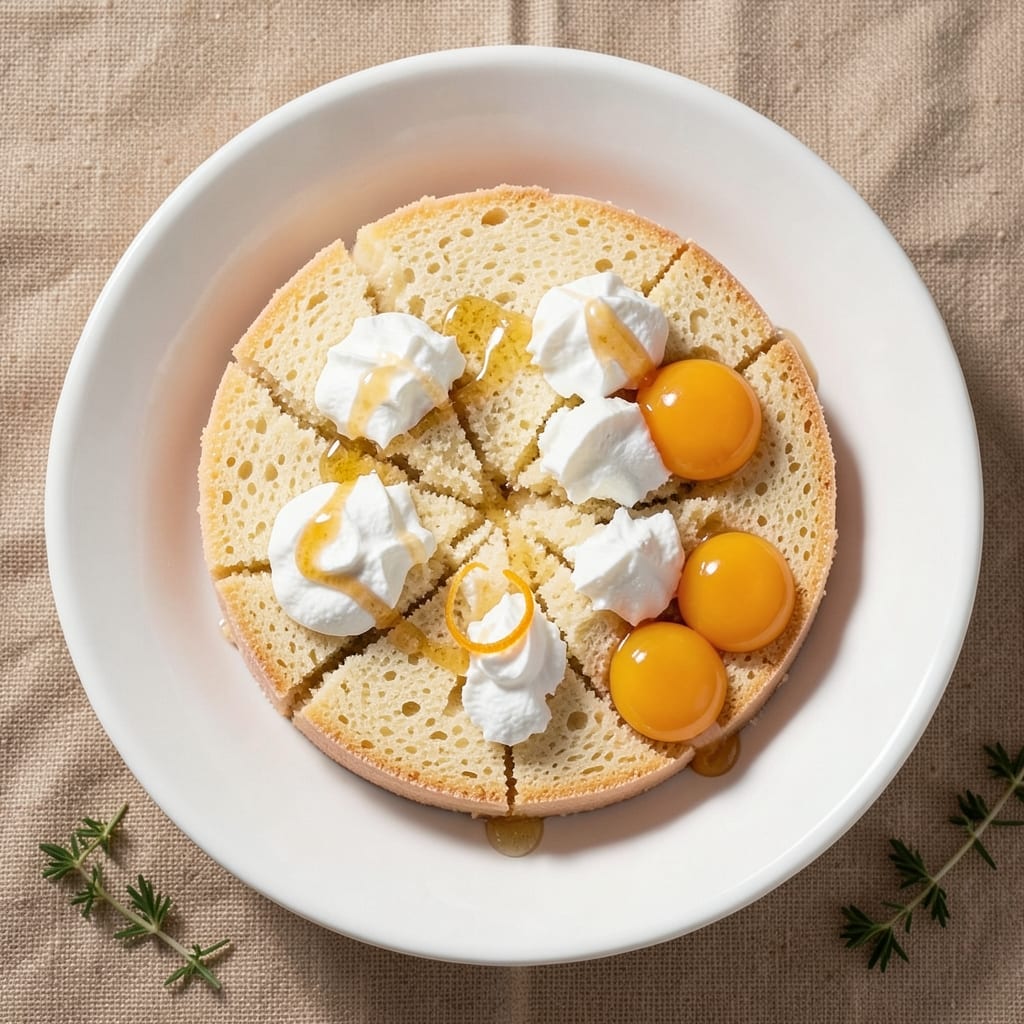
This almond flour sponge cake delivers the perfect balance of light, airy texture and subtle nutty flavor without the dreaded crack. The secret lies in properly folded egg whites and a precise baking technique that creates a tender crumb while maintaining structure. I've perfected this recipe through years of testing, ensuring every slice stays moist and delicious for days.
The beauty of almond flour lies in its ability to create a naturally gluten-free cake with incredible texture. Unlike traditional flour, it requires careful handling—whisking eggs to ribbons and gently folding them into the batter creates that signature lightness. This method eliminates the need for excessive leavening, resulting in a cake that's both delicate and sturdy.
What you'll achieve is a golden sponge cake with a fine, even crumb and just the right amount of crispness at the edges. The almond flavor shines through without overpowering, making it a versatile base for fillings or frostings. The cake holds its shape beautifully while remaining tender enough to cut cleanly.
Whether you're accommodating dietary restrictions or simply craving something different, this recipe delivers restaurant-quality results at home. The technique is straightforward once you understand the key steps, and the payoff is worth every minute of preparation. Let's get baking!
Ingredients for almond flour sponge cake
Twelve carefully selected ingredients transform into a gluten-free masterpiece with restaurant-quality texture.
| Ingredient | Amount | Notes |
|---|---|---|
| Superfine Almond Flour 🌰 | 2 ½ cups | Blanched, finely ground preferred |
| Large Egg Whites 🥚 | 6 whole | Room temperature, separated |
| Large Egg Yolks 🥚 | 4 whole | Room temperature, separated |
| Granulated Sugar 🍚 | 1 ½ cups | Superfine preferred for even dissolving |
| Unsalted Butter 🧈 | ¾ cup | Cold, cubed, European preferred |
| Vanilla Extract 🌿 | 1 tbsp | Pure Madagascar or Tahitian |
| Diamond Crystal Kosher Salt 🧂 | ¼ tsp | Fine grain for even distribution |
| Baking Powder 🍞 | ¼ tsp | Aluminum-free for stability |
| Lemon Zest 🍋 | 1 tbsp | Freshly grated, organic preferred |
| Powdered Sugar 🍚 | ½ cup | For dusting, sifted |
| Unflavored Gelatin 🍬 | 1 tsp | Bloomed in 2 tbsp cold water |
| Heavy Cream 🥛 | ¼ cup | Cold, for stability |
The almond flour is non-negotiable—Bob's Red Mill or King ArthurOrganic pastured eggs from Vital Farms or your local farm store elevate the final product with their richer yolks. The butter should be cold when creamed—Plugrá or European-style brands hold their shape better than American varieties, preventing a greasy texture. Measure your dry ingredients by weight if possible; volume measurements can lead to inconsistencies in this delicate batter.
No superfine sugar? Pulse regular granulated sugar in a food processor until it reaches a fine powder—about 30 seconds—to mimic the texture. Substituting almond flour with another gluten-free flour like coconut or oat will alter the crumb structure significantly; stick with almond for that signature tender yet sturdy texture. For a dairy-free option, replace the butter with Miyoko's creamery coconut oil and use full-fat coconut milk instead of heavy cream, though the texture will be slightly denser. The gelatin acts as a stabilizer—if you're avoiding it, increase the egg whites to 8 and reduce the cream to 0.125 cup, but expect slightly less structure. Always sift the baking powder and powdered sugar to prevent lumps that can create uneven baking.
This cake keeps beautifully for 5 days in an airtight container at room temperature, though it's best enjoyed within the first 3 days for peak moisture. For longer storage, wrap tightly in plastic and refrigerate for up to 1 week—bring to room temperature before serving. Freeze portions for up to 3 months by wrapping each slice individually in plastic wrap and aluminum foil. To reheat, warm in a 300°F oven for 5-7 minutes covered with foil to maintain freshness. The cake's delicate structure makes it ideal for layering with fillings like lemon curd or whipped cream, but avoid overfilling to prevent tearing the tender crumb.
Why You'll Love This Recipe
- No Mixer Needed: Honestly, this sponge comes together with just a whisk and a bowl—no stand mixer, no food processor, just elbow grease for 2 minutes. The egg whites fluff up like magic when you fold in that superfine almond flour, and the yolks keep it rich without overworking.
- Butter-Sugar Crust Magic: That crispy, caramelized edge? It’s all thanks to the butter and sugar baked right into the pan—no extra syrup or glaze required. The first bite gives you that buttery crunch, then the tender almond center melts in your mouth. (Yes, even on a Tuesday night.)
- Brunch or Dessert: Serve it warm with berries for a fancy weekend brunch, or dust it with powdered sugar for an after-dinner treat. The neutral flavor soaks up anything—citrus zest, vanilla, or even a drizzle of honey—so it’s always the star without stealing the show.
- Leftovers? Better: This cake actually improves the next day—more structure, deeper flavor. I slice it thin for toast, layer it with whipped cream, or pack it for lunches. And because almond flour is pricey, I make a big batch and freeze half for when I’m too tired to bake.
Step-by-step instructions for almond flour sponge cake
Precision and patience create the signature texture—here's how to achieve it every time.
Prepare the Stabilized Egg Foam
Separate the 6 whole large egg whites and 4 whole large egg yolks into two clean bowls. Add 0.25 teaspoon diamond crystal kosher salt and 1 teaspoon unflavored gelatin (bloomed in 2 tablespoons cold water) to the egg whites. Using a stand mixer with the whisk attachment, beat on medium-high speed until soft peaks form.
Gradually add 1.5 cups granulated sugar while continuing to whip until the mixture reaches stiff, glossy peaks that hold their shape when the whisk is lifted. This stabilized foam prevents collapse during baking. In a separate bowl, whisk the egg yolks with 1 tablespoon vanilla extract and 1 tablespoon lemon zest until pale and slightly thickened.
Incorporate Dry Ingredients and Butter
Sift the 2.5 cups superfine almond flour and 0.25 teaspoon baking powder together into the yolk mixture. Gently fold in ⅓ of the stabilized egg foam using a spatula to lighten the batter. Then, cut in the 0.75 cup cold cubed unsalted butter until just combined—overmixing develops gluten and creates a dense cake.
Fold in the remaining egg foam in three additions, being careful not to deflate the air incorporated during whipping. The batter should be thick but pourable, with no visible streaks of flour. This step ensures a tender crumb while maintaining the light structure.
Bake at Low Temperature for Even Rise
Preheat the oven to 325°F (convection if available) and line an 8-inch round cake pan with parchment paper. Pour the batter evenly into the pan and smooth the top with a spatula. Bake for 45-50 minutes until the top springs back when gently pressed and a toothpick inserted in the center emerges clean.
Low heat prevents over-browning while allowing the cake to rise evenly. The almond flour's natural density requires gentle baking to avoid a dry texture. If the edges brown too quickly, tent loosely with foil after 25 minutes to protect them.
Cool and Stabilize for Slicing
Remove the cake from the oven and let it cool in the pan for 15 minutes. Then invert onto a wire rack and cool completely before slicing. This gradual cooling prevents cracking and ensures clean cuts. Once fully cooled, dust the top with 0.5 cup powdered sugar sifted through a fine-mesh sieve.
For extra stability, whip 0.25 cup cold heavy cream to soft peaks and pipe a thin layer between cake layers if assembling. The gelatin in the egg foam and the cream's fat content create a velvety texture that resists the dreaded "almond flour crack."
Pro Tips For Making Almond Flour Sponge Cake
- Whip Yolks Slowly: Start your yolks and sugar on low speed—rushing this step traps air bubbles that’ll deflate later, leaving your cake dense. I used to blast mine at high speed, and the result was always sadder than a deflated soufflé.
- Sift the Flour Twice: Almond flour clumps like a stubborn toddler. Sift it once before mixing, then sift it again after folding it into the egg whites—this ensures no lumps sabotage your light, airy texture. Trust me, your cake will thank you.
- Don’t Overmix the Whites: Fold the whites into the batter gently—just until combined. I’ve seen people whip the whites into stiff peaks, then aggressively stir them in, and the result? A cake that collapses faster than my New Year’s resolutions. Keep it loose.
- Bake Until Golden, Not Just Set: Almond flour cakes can look done before they are—tap the center, but also check the color. A light golden top means it’s fully baked; a pale center means you’re playing the waiting game. No one likes a gummy sponge.
Perfect pairings for this dish
Fruit Fillings
Bright citrus or berry fillings complement the nutty almond flavor beautifully. I love using homemade lemon curd made with 3 egg yolks, ½ cup lemon juice, ¾ cup sugar, and 6 tbsp butter, heated until thickened. For a summer variation, layer with raspberry jam (look for Wild Zoa for natural sweetness) and a dollop of whipped cream. The acidity cuts through the richness while enhancing the cake's delicate texture. 🍋
Creamy Frostings
A light Italian meringue buttercream is my go-to for this cake—it's airy and won't overpower the almond flavor. Whip 1 cup heavy cream to soft peaks, then gradually add 1 cup powdered sugar and ½ cup unsalted butter softened at room temperature. For extra elegance, fold in 1 tsp vanilla extract and a pinch of salt. If you prefer chocolate, try a dark chocolate ganache (melt 6 oz 70% dark chocolate with ½ cup heavy cream)—it pairs perfectly with the nutty base.
Whipped Cream
For a lighter option, whip 1 cup heavy cream with 2 tbsp powdered sugar and ½ tsp vanilla extract until stiff peaks form. Pipe between layers or dust the top with toasted almond slivers for texture. Chill the cake for 30 minutes before assembling to ensure stability. This method keeps the cake's signature lightness while adding a fresh, airy contrast. 🥛
Chocolate Drizzle
Melt 4 oz dark chocolate (I recommend Valrhona Guanaja for depth) with 1 tbsp coconut oil over a double boiler, then drizzle over the cake just before serving. The chocolate's bitterness balances the sweetness, while the oil adds a silky finish. For extra flair, sprinkle with crushed pistachios or edible gold leaf. This finishing touch elevates the cake from homemade to showstopper.
Coffee or Tea Infusion
For an unexpected twist, infuse the cake with espresso powder (½ tsp) or Earl Grey tea (steep 1 tbsp in ¼ cup hot water, then cool). Fold the infusion into the yolk mixture before combining with the egg foam. Serve with a dusting of powdered sugar and a side of vanilla bean ice cream for a sophisticated dessert. The caffeine in coffee enhances the almond's nuttiness, while tea adds an aromatic complexity. ☕
Nutrition facts
Frequently asked questions
Why does my almond flour sponge cake turn out dense instead of light?
Overmixing the batter or under-whipping the egg whites are the most common culprits. Make sure your egg whites reach stiff, glossy peaks before folding them in, and avoid overmixing the dry ingredients with the yolks. Also, almond flour absorbs moisture quickly—use it fresh and measure by weight if possible for consistency.
Can I make this recipe without gelatin?
Yes, but you'll need to adjust the structure. Replace the gelatin with an extra 2 egg whites (total of 8) and reduce the heavy cream to ¼ cup. The cake will still be tender but may be slightly less stable. For a vegan version, use agar-agar (½ tsp bloomed in water) instead of gelatin.
How do I prevent the cake from cracking?
Gradual cooling is key! Let the cake cool in the pan for 15 minutes before inverting onto a rack. Never place it directly on a cold surface, and avoid opening the oven door too early. Also, ensure your oven is fully preheated to 325°F—temperature fluctuations cause cracks.
What's the best way to store leftovers?
Wrap slices tightly in plastic wrap and store at room temperature for 3 days or refrigerate for up to 1 week. For longer storage, freeze individual portions for 3 months. Thaw overnight in the fridge—never at room temperature—to maintain moisture.
Can I substitute almond flour with another gluten-free flour?
Not recommended for this recipe! Almond flour's fat content and fine texture are essential for the light crumb. If you must substitute, try a 1:1 blend of oat flour and coconut flour, but expect a denser result. For best texture, stick with almond flour—it's worth the investment for this delicate cake.