
Desserts
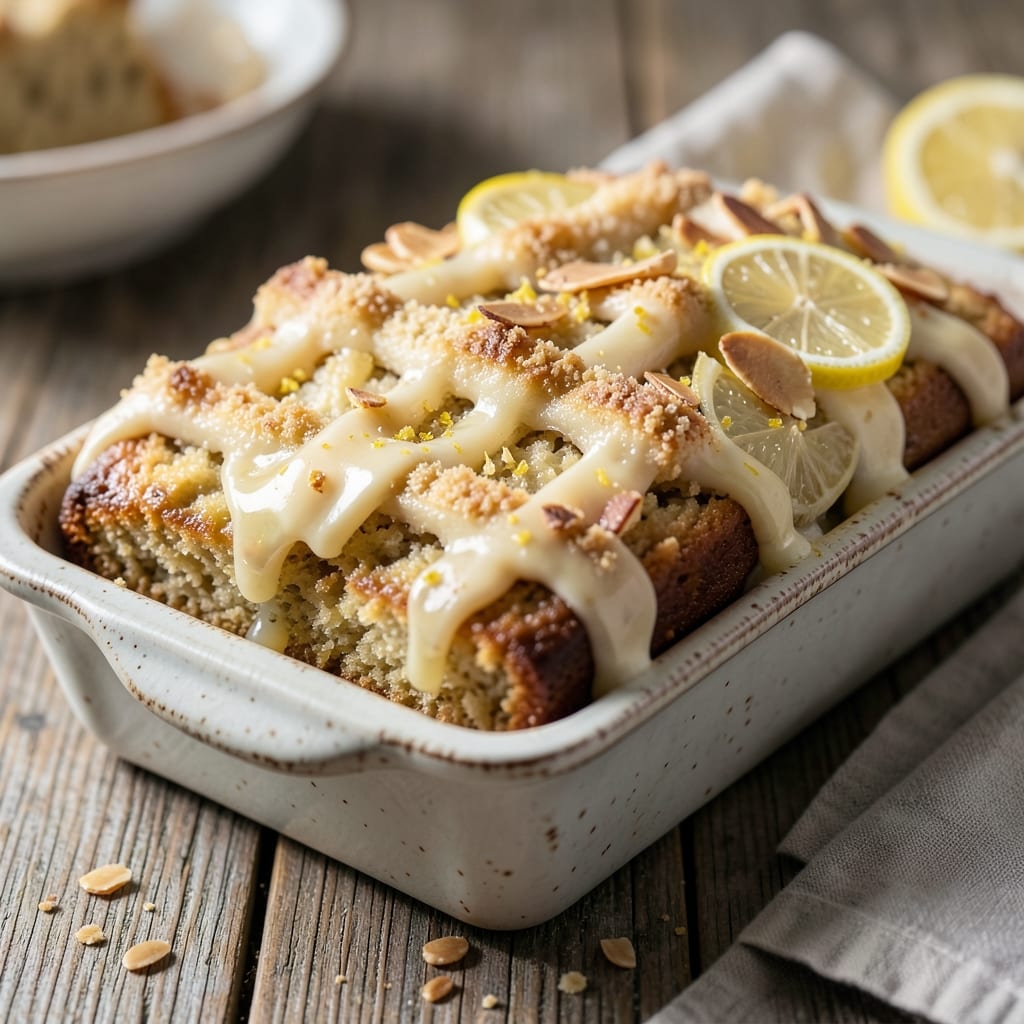
This almond flour lemon pound cake delivers the perfect balance of bright citrus flavor and tender, moist crumb—without a hint of dryness. The secret lies in almond flour's natural richness and a simple technique that keeps every slice perfectly tender. I developed this recipe after years of baking almond flour desserts, and it finally cracked the code for a pound cake that's both elegant and foolproof.
The beauty of this recipe is its versatility—it's naturally gluten-free, grain-free, and packed with protein, making it ideal for dietary restrictions without sacrificing flavor. The cake bakes up with a golden crust and a fine, moist crumb that holds up beautifully for slicing. Lemon zest and juice infuse every bite with that signature bright, citrusy kick, while the almond flour gives it a subtly nutty depth that complements the lemon perfectly.
What truly sets this recipe apart is its moist texture, achieved through a combination of almond flour, eggs, and a touch of cream cheese for richness. The cake stays tender for days, making it perfect for meal prep or gifting. Whether you're serving it at a brunch, holiday gathering, or simply enjoying a slice with tea, this lemon pound cake delivers restaurant-quality results with minimal effort.
Ready in just one hour from start to finish, this recipe is designed for success. The instructions are straightforward, and the ingredients are easy to find—no special equipment required. Once you try this almond flour lemon pound cake, you'll never go back to traditional flour versions. Let's get baking!
Ingredients for almond flour lemon pound cake
Almond flour, lemon zest, and eggs create a perfectly moist, gluten-free pound cake.
| Ingredient | Amount | Notes |
|---|---|---|
| Almond Flour 🌰 | 2 ½ cups | Finely ground, unsweetened preferred |
| Granulated Sugar 🍚 | 1 ½ cups | White or light brown |
| Large Eggs 🥚 | 4 whole | Room temperature preferred |
| Unsalted Butter 🧈 | 1 cup | Cold, cubed for creaming |
| Lemon Zest 🍋 | 2 tbsp | From 2 large lemons |
| Fresh Lemon Juice 🍋 | ½ cup | From 2-3 lemons |
| All-Purpose Flour 🌾 | ½ cup | For structure and binding |
| Baking Powder 🧂 | 2 tsp | Aluminum-free preferred |
| Salt 🧂 | ½ tsp | Fine sea salt |
| Vanilla Extract 🌸 | 1 tsp | Pure vanilla preferred |
| Cream Cheese 🧀 | 4 oz | Room temperature, full-fat |
| Milk 🥛 | ¼ cup | Whole milk preferred |
Almond flour is the star here—look for finely ground, unsweetened at stores like Whole Foods or Trader Joe's for the best texture. The cream cheese adds richness without overpowering the lemon, so grab full-fat from the dairy section. Fresh lemon zest is non-negotiable; store-bought jars lose their punch. If you can't find fresh lemons, zest a few extra and freeze for future recipes. The butter should be cold when you cube it—this ensures proper creaming for that signature tender crumb. For the almond flour, Bob's Red Mill is a reliable brand, but any finely ground almond flour will work.
No almond flour? Substitute with a 1:1 ratio of oat flour (blend rolled oats into flour), though texture will differ slightly. Running short on cream cheese? Plain Greek yogurt at half the amount works in a pinch. The baking powder is crucial for lift—Diamond Crystal is aluminum-free and ideal. For extra lemon flavor, add 1 extra tablespoon of zest if you're feeling bold. The milk can be swapped for almond milk (unsweetened) if needed, though it may slightly alter the crumb. If you're making this ahead, prep the batter a day in advance—it actually improves flavor as it sits.
Store the cake in an airtight container at room temperature for up to 3 days or refrigerate for 5 days. For longer storage, wrap tightly and freeze for up to 3 months. The lemon flavor intensifies when chilled, so it's perfect for overnight prep. To serve, slice with a hot, clean knife for clean cuts. Leftovers reheat beautifully in the microwave for 10-15 seconds to restore freshness. This cake also freezes beautifully—portion into slices before freezing for easy single servings later.
Why You'll Love This Recipe
- No Mixer Needed: I swear by this recipe when I’m in a rush—just fold the almond flour into the butter and eggs until it’s almost combined. The texture comes together effortlessly, and honestly? The cake’s tender crumb doesn’t care if you overmix. (Between us, I’ve made it with a fork and a spatula.)
- Zesty Magic: That lemon zest—it’s not just bright, it’s lingering. The butter keeps it rich while the almond flour adds a subtle nuttiness, so every bite has this perfect balance of sharp and sweet. I’ll be real: I’ve skipped frosting entirely just to savor the layers.
- Weeknight or Brunch: Slice it warm for a lazy Sunday breakfast or pack it for lunch—it stays moist for days. My kids grab it before school, and my husband sneaks pieces at his desk. (Yes, even on a Tuesday night.) It’s the kind of cake that works for anything without trying too hard.
- Budget-Friendly Luxury: Almond flour might sound fancy, but a little goes a long way here. The butter and eggs stretch the batter, and the sugar keeps it simple. I’ve made this for birthday cakes, potlucks, and even as a last-minute dessert—always with leftovers that disappear fast.
Step-by-step instructions for almond flour lemon pound cake
This method delivers a tender, citrus-kissed cake with perfect moisture and a delicate crumb.
Cream Butter and Sugar for Maximum Fluffiness
In a stand mixer fitted with the paddle attachment, beat the 1 cup unsalted butter (cold, cubed) and 1.5 cups granulated sugar on medium speed for 3-4 minutes. You're looking for a light, pale, and fluffy mixture that nearly doubles in volume. This creaming process incorporates air, which creates that signature tender crumb in almond flour cakes.
I like to scrape down the sides of the bowl every 30 seconds to ensure even mixing. The butter should be fully incorporated but still hold its shape when you press it between your fingers. If it's too soft, chill the bowl in the refrigerator for 10 minutes before proceeding—this prevents excessive spreading during baking.
Add Eggs and Lemon Flavors Gradually
Add the 4 whole large eggs one at a time, mixing on low speed for 30 seconds after each addition until fully combined. Then add the 2 tablespoons lemon zest and 0.5 cup fresh lemon juice, mixing just until smooth. The zest will brighten the color slightly, and the juice ensures that citrus punch throughout.
Next, stir in the 1 teaspoon vanilla extract and 4 ounces cream cheese (room temperature) until fully blended. The cream cheese adds richness and helps balance the acidity of the lemon. If the mixture looks curdled, don't worry—it will smooth out once you add the dry ingredients. This is where the cake gets its signature moistness, so don't rush this step.
Combine Dry Ingredients and Fold Gently
In a separate bowl, whisk together the 2.5 cups almond flour, 0.5 cup all-purpose flour, 2 teaspoons baking powder, and 0.5 teaspoon salt. Sift the mixture directly into the wet ingredients and mix on low speed for 20-30 seconds until just combined. Overmixing develops gluten, which can make the cake dense.
Remove the bowl from the mixer and gently fold in the 0.25 cup milk using a silicone spatula. The milk helps hydrate the almond flour and ensures a tender crumb. At this point, the batter should be thick but pourable. If it's too stiff, add 1 tablespoon milk at a time until it reaches a smooth consistency. The batter will be slightly darker than traditional cake batters due to the almond flour.
Bake in a Preheated Oven for Even Cooking
Preheat your oven to 350°F. Grease a 9x5-inch loaf pan thoroughly with butter and dust with 1 tablespoon almond flour to prevent sticking. Pour the batter into the prepared pan and smooth the top with a spatula. Tap the pan gently on the counter a few times to remove any air bubbles.
Bake for 50-55 minutes, or until a toothpick inserted into the center comes out clean and the top springs back when pressed lightly. The cake is done when the edges pull away from the pan and the internal temperature reaches 205°F. Avoid opening the oven door during baking—this can cause the cake to sink or develop a dome.
Cool and Serve for Perfect Texture
Remove the cake from the oven and let it cool in the pan for 10 minutes. Then transfer it to a wire rack to cool completely. This gradual cooling prevents cracking and ensures the crumb sets properly. The cake should be moist but not gummy, with a bright lemon flavor that balances the richness of the almond flour.
Slice when fully cooled for clean cuts and even texture. The cake keeps well at room temperature for 2-3 days or can be refrigerated for up to 5 days. For the best experience, serve with a dusting of powdered sugar or a dollop of whipped cream to complement the citrus notes.
Pro Tips For Making Almond Flour Lemon Pound Cake
- Whisk Eggs Until Ribbon Stage: Almond flour cakes need that extra lift—beat your eggs for a solid 3-4 minutes until the mixture holds a slow ribbon when the whisk is lifted. I used to skimp here, and the crumb stayed dense. This step makes all the difference for that light, airy texture you’re after.
- Sift Almond Flour Twice: Clumps in almond flour = dense cake. Sift it once, then give the bowl a quick shake to break up any lingering lumps before mixing. I learned this the hard way when my first batch turned out like a brick. (Yes, even if you’re impatient like me.)
- Bake at 325°F, Not Hotter: Almond flour burns faster than regular flour. Stick to 325°F and avoid opening the oven for the first 20 minutes—even if it looks underdone. I’ve watched cakes go from golden to charred in minutes at higher temps. Trust the recipe’s timing.
- Soften Butter First: Cold butter creates pockets in the batter that don’t break down evenly. Let it sit at room temp for 30 minutes before creaming—no need to melt it. My grandmother swore by this, and she was right: the crumb stays tender, not greasy.
Storing and reheating your almond flour lemon pound cake
Room Temperature Storage
This cake stays moist and delicious at room temperature for up to 3 days when stored in an airtight container like a Pyrex glass loaf pan with a tight lid. The lemon flavor actually intensifies slightly as it sits, making it perfect for overnight prep. I like to place a slice of bread in the container to absorb any excess moisture and keep the cake from drying out. 🌟
Refrigerator Refresh
For longer storage, refrigerate for up to 5 days. The cold temperature enhances the lemon's brightness, but the cake may dry out slightly. To revive it, wrap a slice in a damp paper towel and microwave for 10-15 seconds before serving. I often do this for breakfast—warm lemon pound cake with a pat of butter is pure comfort. 🍋
Freezer Prep Tips
Freeze individual slices for up to 3 months by wrapping them tightly in plastic wrap, then placing them in a freezer bag. Thaw overnight in the fridge for the best texture. For whole cakes, wrap the cooled loaf in plastic wrap followed by aluminum foil to prevent freezer burn. The texture remains tender when reheated in the oven at 300°F for 10 minutes. ✨
Reheating Methods
For microwave reheating, cover a slice with a damp paper towel and heat on 50% power for 20-30 seconds. This prevents drying while restoring warmth. For oven reheating, wrap the cake in foil and bake at 300°F for 10-15 minutes until heated through. I prefer oven reheating—it brings back that fresh-from-the-oven aroma. 🔥
Gift-Worthy Packaging
Slice the cake while still warm for cleaner cuts, then wrap individual portions in parchment paper and tie with twine for a beautiful gift. Store in a gift box or insulated lunch bag with an ice pack if shipping. The cake's natural sweetness and citrus aroma make it a showstopper for any occasion. Add a sprig of fresh rosemary for an elegant touch. 💛
Nutrition facts
Frequently asked questions
Why does this almond flour pound cake turn out denser than traditional flour cakes?
Almond flour is more compact than all-purpose flour, so it requires extra care during mixing. The recipe includes all-purpose flour and baking powder to create lift, while the cream cheese adds moisture that prevents dryness. Always mix just until combined—overmixing develops gluten in the small amount of all-purpose flour, making the texture denser.
Can I substitute almond flour with another gluten-free flour?
Yes, but texture may vary. For a 1:1 swap, try oat flour or coconut flour (though coconut flour needs extra liquid). If using coconut flour, reduce the milk to 0.125 cup and add 1 extra egg to maintain moisture. The almond flour's natural richness is key for that signature tender crumb.
How do I make this cake extra moist without adding more fat?
Increase the lemon juice to 0.6 cup and add 1 tablespoon aquafaba (chickpea brine) to the wet ingredients. The acidity and protein from aquafaba boost moisture without altering flavor. For even better results, brush the cooled cake with a simple syrup made from 0.25 cup sugar + 0.25 cup water before serving.
Why does my cake crack on top?
Cracking usually happens from rapid cooling or overbaking. Let the cake cool in the pan for 15 minutes (not 10) before transferring to a rack, and check doneness at 45 minutes—it's done when the edges pull away from the pan. If cracks appear, brush with simple syrup or a thin layer of lemon glaze to restore moisture.
Can I add blueberries to this recipe?
Gently fold in 1 cup fresh or frozen blueberries (tossed in 1 tbsp flour) after mixing the wet and dry ingredients. For even distribution, fold them in just before pouring the batter into the pan. Blueberries add a lovely contrast to the lemon flavor and keep the cake's texture light.