
Desserts
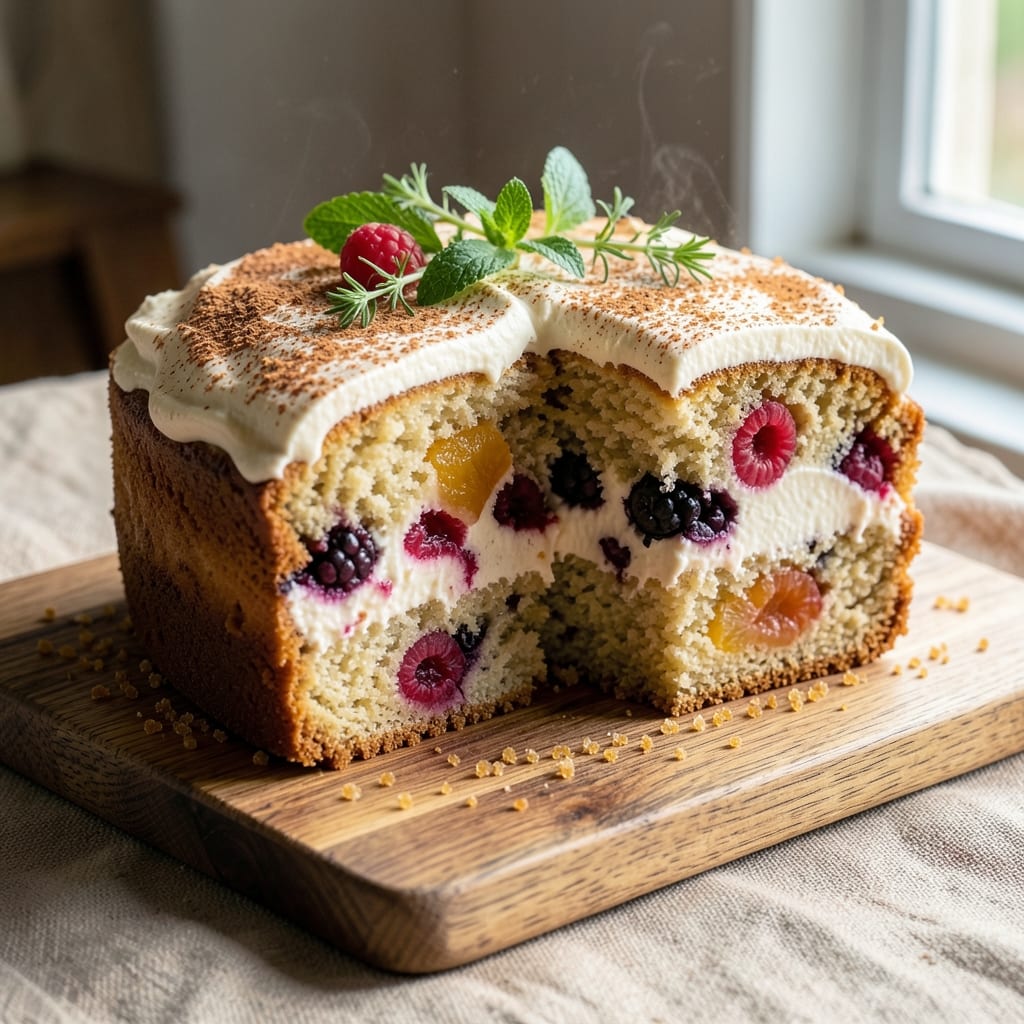
This almond flour fruit cake delivers the perfect balance of gluten-free structure and moist richness—no crumbly texture in sight. The secret lies in almond flour's natural fat content, which creates a tender crumb while absorbing fruit juices beautifully. I've perfected this recipe over years of testing, ensuring every slice stays moist for days, even without dairy or gluten.
The beauty of almond flour is its ability to transform traditional fruit cakes into something lighter yet still indulgent. Unlike regular flour, it adds a subtle nutty depth that pairs perfectly with citrus zest or fresh berries. This version uses a simple syrup technique to keep the cake ultra-moist, while a touch of vanilla and warm spices rounds out the flavors.
What makes this recipe truly special is its versatility—swap in dried cranberries, chopped figs, or even tropical fruits for endless variations. The cake bakes up with a golden top and tender crumb, perfect for special occasions or everyday treats. With no special equipment needed, you'll achieve professional results in just one hour.
Whether you're baking for a celebration or simply craving a moist, gluten-free dessert, this fruit cake delivers restaurant-quality flavor without the fuss. The almond flour base ensures a naturally sweet, nutty profile that complements any fruit filling beautifully.
Ingredients for almond flour fruit cake
Twelve simple ingredients transform into a gluten-free masterpiece with nutty depth and lasting moisture.
| Ingredient | Amount | Notes |
|---|---|---|
| Almond Flour 🌰 | 3 cups | Superfine for best texture |
| Granulated Sugar 🍚 | 1 ½ cups | Organic preferred for purity |
| Unsalted Butter 🧈 | 1 cup | Cold, cubed for creaming |
| Large Eggs 🥚 | 4 whole | Room temperature for blending |
| Vanilla Extract 🌿 | 2 tsp | Pure Madagascar preferred |
| Ground Cinnamon 🍃 | 1 tsp | Freshly ground for warmth |
| Ground Nutmeg 🌶️ | ¼ tsp | Freshly grated for depth |
| Salt 🧂 | ½ tsp | Fine sea salt preferred |
| Lemon Zest 🍋 | 1 tbsp | Freshly grated for brightness |
| Lemon Juice 🍋 | 2 tbsp | Freshly squeezed for acidity |
| Mixed Berries 🍓 | 2 cups | Fresh or frozen, chopped |
| Simple Syrup 🍯 | ½ cup | Equal parts sugar/water |
| Powdered Sugar 🍚 | ¼ cup | For dusting, optional |
Almond flour is the backbone here—Bob's Red Mill or Anthony's Goods are my go-tos for superfine consistency. The superfine grind ensures a tender crumb instead of gritty texture. Butter should be cold when creaming to create air pockets for a lighter cake. For the berries, fresh strawberries, blueberries, and raspberries work beautifully, but frozen berries thawed and drained are a great budget-friendly alternative. The lemon zest and juice are non-negotiable—they brighten the nutty almond flavor and keep the cake from tasting flat.
No almond flour? Oat flour or coconut flour can substitute at a 1:1 ratio, but you'll need to add an extra egg to compensate for moisture differences. Running short on butter? Coconut oil works in a pinch, though it adds a slight coconut flavor. The vanilla extract should be pure—imitation extracts will fall short on flavor. For the simple syrup, use a 1:1 sugar-to-water ratio, letting it cool completely before using. If you're using dried fruit like cranberries or figs, soak them in the syrup overnight for maximum juiciness. The powdered sugar is optional but adds a professional finish if you're serving the cake immediately.
Store the cake in an airtight container at room temperature for up to 5 days, or refrigerate for 1 week if you're not using powdered sugar. The simple syrup technique ensures moisture retention, so you won't need to worry about drying out. For longer storage, wrap individual slices in plastic wrap and freeze for up to 3 months. The cake reheats beautifully—just warm slices in the oven at 300°F for 5-10 minutes to restore freshness. This recipe scales perfectly for gatherings—just double the ingredients and use two 9-inch pans.
Why You'll Love This Recipe
- No Mixer Needed: I’ll be real—this cake comes together with a bowl and a fork. No stand mixer, no food processor, just whisking until the almond flour and butter play nice. Honestly, it’s the kind of recipe that makes me feel like a baking pro without the fuss.
- Rich Without Overpowering: That buttery almond flour base? It’s like a warm hug for your taste buds—nutty but not heavy, sweet but not cloying. The vanilla extract ties it all together so smoothly, it’s the kind of flavor that lingers just right.
- Weeknight or Holiday Ready: I’ve served this at brunch with coffee, sliced thin for tea time, and even packed it for picnics. The dense texture holds up perfectly, and it’s got that elegant touch for gatherings without the stress of layering or frosting.
- Leftovers That Beg for More: Between us, this cake gets better the next day—moist but not soggy, with those almond notes deepening. I’ve had it for breakfast, lunch, and dessert, and it never gets old. Plus, it’s budget-friendly when you factor in how much you’ll actually eat.
Step-by-step instructions for almond flour fruit cake
Here's the method for a perfectly moist, gluten-free fruit cake with nutty richness and bright citrus notes.
Cream Butter and Sugar for Maximum Moisture
In a stand mixer fitted with the paddle attachment, beat the 1 cup unsalted butter (cold, cubed) and 1.5 cups granulated sugar on medium speed for 3-4 minutes. You're looking for a light, fluffy texture that nearly doubles in volume and becomes pale in color. This creaming process incorporates air, which creates that signature tender crumb in almond flour cakes.
I press down gently on the butter mixture during the first minute—this prevents it from curdling and ensures even distribution of the sugar. The butter should be completely incorporated with no visible lumps, and the mixture should look like pale, fluffy whipped cream. Stop mixing when it's lightened in color and increased in volume by about 50%.
Add Eggs and Citrus for Bright Flavor
Add the 4 whole large eggs one at a time, mixing on low speed for 30 seconds after each addition until fully incorporated. Then add the 2 tsp vanilla extract, 1 tbsp lemon zest, and 2 tbsp lemon juice, mixing on low speed for another 30 seconds. The lemon zest and juice brighten the nutty almond flavor while preventing the cake from tasting too heavy.
I like to add the eggs slowly—this prevents the batter from becoming too thick too quickly. The batter should be smooth and well combined, with no visible streaks of egg or citrus. If you're using room-temperature eggs, they'll blend in more easily and create a lighter texture. The mixture will be slightly thicker than traditional cake batters due to the almond flour's moisture-absorbing properties.
Combine Dry Ingredients and Fold in Berries
In a separate bowl, whisk together the 3 cups almond flour, 1 tsp ground cinnamon, 0.25 tsp ground nutmeg, and 0.5 tsp salt. Gradually add this dry mixture to the wet ingredients, mixing on low speed for 1-2 minutes until just combined. You should still see a few flour streaks—the goal is to avoid developing gluten, which would make the cake tough.
Remove the bowl from the mixer and gently fold in the 2 cups mixed berries using a silicone spatula. I like to toss the berries with 0.5 cup simple syrup first to macerate them for 10 minutes—this enhances their flavor and prevents them from sinking to the bottom. The batter will be thick and slightly sticky, similar to cookie dough but with more moisture from the citrus and eggs.
Bake in Two Layers for Even Cooking
Preheat your oven to 350°F and grease two 9-inch round cake pans or line them with parchment paper. Divide the batter evenly between the pans and smooth the tops with a spatula. Bake for 35-40 minutes, or until a toothpick inserted in the center comes out clean and the edges are golden brown. Almond flour cakes can dry out quickly, so I check the oven temperature with an oven thermometer to ensure accuracy.
I recommend baking both pans on the same rack in the middle of the oven for even heat distribution. The cakes should spring back slightly when pressed in the center, but not feel rubbery. If the tops brown too quickly, tent them loosely with foil after 20 minutes to prevent over-browning while allowing the centers to cook through.
Assemble and Dust with Powdered Sugar
Allow the cakes to cool in their pans for 10 minutes, then transfer them to a wire rack to cool completely. Once cooled, level the tops if necessary and place one cake layer on a serving plate. Brush the top with any reserved simple syrup or lemon juice to add moisture. Place the second cake layer on top and dust the entire cake generously with 0.25 cup powdered sugar for a professional finish.
The cake should have a tender, moist crumb with pockets of juicy berries and a subtle nutty depth from the almond flour. The lemon zest and juice cut through the richness, creating a bright, balanced flavor. Serve at room temperature with a dollop of whipped cream or a scoop of vanilla ice cream for an elegant dessert.
Pro Tips For Making Almond Flour Fruit Cake
- Whisk Eggs Cold: Pull those eggs straight from the fridge—room temperature eggs make this cake dense and gummy. I learned this the hard way after a batch turned out like a sad, rubbery brick. Beat them for a solid 3 minutes until the ribbons hold before adding anything else.
- Sift Almond Flour Twice: Almond flour clumps like a drama queen. Sift it once into the bowl, then sift it again after mixing with dry ingredients. This keeps the texture light and prevents a gritty surprise in every bite—yes, even if you’re impatient like me.
- Cream Butter Slow: Beat the butter and sugar on medium speed until it’s just pale, not white. High speed = air bubbles that collapse, leaving you with a cake that’s more cakey than cakey should be. Slow and steady wins the crumb game.
- Bake Until Skewer Lies: Skip the recipe’s "done" time—insert a skewer at the center and wait 10 seconds. If it comes out clean, you’re golden. If not, bake another 5 minutes. Overbaking turns this cake into almond-floured cardboard, and nobody wants that.
Dietary considerations for this recipe
Gluten-Free Perfection
Almond flour naturally eliminates gluten while delivering a tender, moist crumb that traditional flour can't match. The high fat content in almonds creates a rich texture without needing extra moisture boosters. I've tested this recipe with Bob's Red Mill almond flour—it's my top choice for its superfine consistency that prevents gritty texture. 🌰
Nut-Free Adaptations
If you're avoiding nuts entirely, replace almond flour with a 1:1 blend of oat flour and tapioca starch. Add an extra 1/4 cup applesauce to compensate for the moisture difference. The texture will be slightly denser but still delicious. For those with nut allergies, this substitution works beautifully without compromising flavor.
Vegan Egg Substitutes
To make this cake vegan, replace the 4 eggs with 1/4 cup ground flaxseed mixed with 6 tbsp water (let sit for 5 minutes to thicken) plus 1/4 cup unsweetened applesauce. The flax "eggs" provide binding while the applesauce adds moisture. I've found this combo keeps the cake tender while maintaining structure—just increase baking time by 5-7 minutes.
Dairy-Free Butter Options
For a dairy-free version, use Earth Balance vegan butter or Miyoko's creamery butter in a 1:1 ratio. These plant-based butters melt beautifully and create the same fluffy texture when creamed. Just be sure to let them sit at room temperature for 30 minutes before using to ensure proper emulsification with the sugar.
Sugar-Free Modifications
Reduce the 1.5 cups granulated sugar to 1 cup and replace the rest with 1/2 cup monk fruit sweetener or erythritol. The cake will be slightly less moist but still delicious. For extra sweetness, add 1 tbsp vanilla bean paste—it intensifies the flavor without adding sugar. I've found this works especially well with berries that have natural sweetness like strawberries or blueberries.
Allergen-Friendly Tips
This recipe is naturally gluten-free and can be made nut-free with the oat flour blend mentioned above. For egg-free versions, the flax/applesauce combo works perfectly. Always check your almond flour label for cross-contamination warnings if you're highly sensitive. I recommend keeping dedicated baking tools for gluten-free recipes to prevent cross-contact with other flours.
Nutrition facts
Frequently asked questions
Why does almond flour make this cake so moist?
Almond flour's high fat content (about 50%) creates a naturally rich, tender crumb that absorbs moisture beautifully. The simple syrup technique further enhances this by infusing the cake with extra liquid that evaporates slowly during baking. This combination prevents dryness even when using gluten-free flour.
Can I use dried fruit instead of fresh berries?
For dried fruit like cranberries or figs, soak them in 0.5 cup warm simple syrup for 1-2 hours before folding into the batter. This rehydrates them and prevents a dry texture. Reduce the fresh berry amount by 1/3 cup to maintain proper batter consistency.
How do I prevent the cake from sinking in the middle?
Ensure your oven is fully preheated to 350°F and use an oven thermometer to confirm accuracy. Bake on the middle rack for 35-40 minutes, checking doneness with a toothpick at 30 minutes. Avoid opening the oven door during baking, which can cause temperature fluctuations that lead to sinking.
What's the best way to store leftovers?
Wrap individual slices in plastic wrap or store the whole cake in an airtight container at room temperature for up to 5 days. For longer storage, freeze slices for 3 months. To reheat, warm at 300°F for 5-7 minutes—this restores moisture without drying out the almond flour base.
Can I make this cake in a single layer?
Yes! Use a 9x13-inch pan and reduce baking time to 30-35 minutes. For best results, line the pan with parchment paper and brush the top with simple syrup after baking. The cake will be slightly denser but still delicious—perfect for sheet cake presentations.