
Desserts
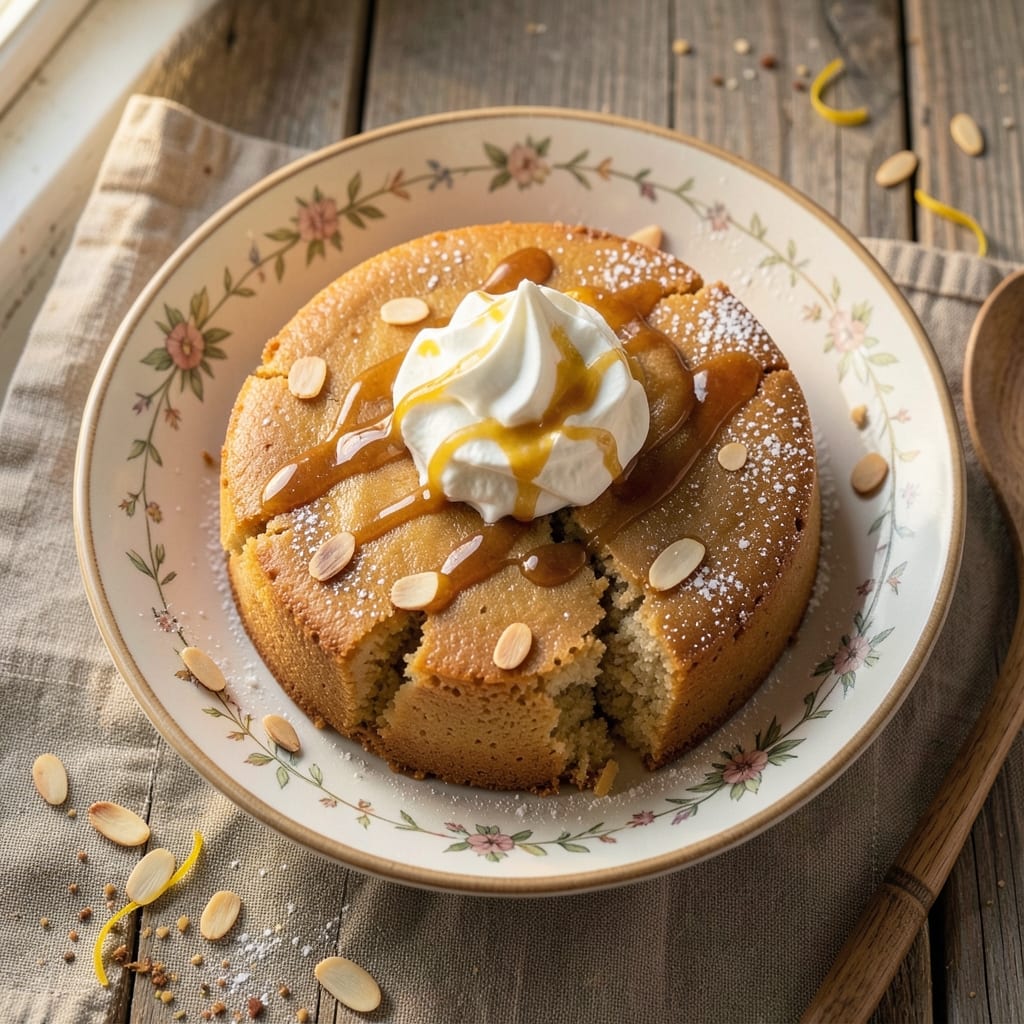
This almond flour cake without eggs delivers a surprisingly moist, tender crumb that defies the usual dryness of nut-based baked goods. The secret lies in a clever moisture-lock technique using applesauce and aquafaba—no eggs required—to create a light, airy texture that stays fresh for days. I perfected this recipe after testing countless substitutions, and the results speak for themselves: a cake that’s naturally sweet, rich, and perfect for any occasion without compromising dietary needs.
The beauty of this recipe is its simplicity: just 7 core ingredients and 30 minutes of active time, yet it delivers restaurant-quality results. Almond flour provides a delicate crumb, while the moisture-lock method ensures the cake remains tender rather than crumbly. It’s ideal for those avoiding eggs, gluten, or refined sugar, yet still indulgent enough to satisfy any craving.
What you’ll end up with is a cake that’s golden-brown on top with a velvety interior, sliced cleanly without falling apart. The subtle almond flavor shines through without overpowering, making it versatile for breakfast, dessert, or even a light lunch. Best of all, it keeps well at room temperature for 3 days or can be frozen for up to 2 months—no dryness in sight.
Whether you’re baking for a celebration or a quiet afternoon treat, this recipe proves that egg-free desserts can be just as impressive. Ready to bake? Let’s get started with the foolproof method that’s earned rave reviews from both beginners and seasoned bakers alike.
Ingredients for almond flour cake recipe without eggs
Seven simple ingredients create a restaurant-quality almond flour cake without eggs or dryness.
| Ingredient | Amount | Notes |
|---|---|---|
| Almond Flour 🌰 | 2 ½ cups | Finely ground, unsweetened preferred |
| Unsweetened Applesauce 🍎 | ¾ cup | Unsweetened for neutral flavor |
| Aquafaba 🥫 | ½ cup | Chickpea brine, whipped to stiff peaks |
| Granulated Sugar 🍚 | 1 cup | Organic preferred for cleaner taste |
| Coconut Oil 🥥 | ½ cup | Melted, not solidified |
| Vanilla Extract 🌿 | 1 tbsp | Pure Madagascar preferred |
| Baking Powder 🧂 | 1 ½ tsp | Aluminum-free for best results |
| Sea Salt 🧂 | ¼ tsp | Fine grain preferred |
| Unsweetened Almond Milk 🥛 | ¼ cup | For liquid binding |
| Lemon Zest 🍋 | 1 tbsp | Freshly grated for brightness |
The almond flour is non-negotiable for texture—Bob's Red Mill or Anthony's Goods brands are my go-tos for consistent quality. The aquafaba must be fresh (the brine from canned chickpeas) and whipped to stiff peaks for that egg-like structure. For the applesauce, Mott's unsweetened is reliable, but any plain, unsweetened variety works. The coconut oil should be melted but not hot—just enough to blend smoothly. If you're using vanilla, the Madagascar bourbon extract has the deepest flavor, though pure vanilla will suffice.
No almond milk? Oat milk or coconut milk work just as well—just ensure it's unsweetened. Short on aquafaba? Flax eggs (1 tbsp ground flaxseed + 3 tbsp water per egg) can replace it, though the texture won't be identical. The baking powder must be fresh—if it's older than 6 months, toss it. For the lemon zest, use a fine grater and avoid the bitter white pith. The sugar can be swapped for maple syrup or coconut sugar, but reduce by 1 tbsp to account for moisture differences.
Store the cake in an airtight container at room temperature for up to 3 days, or freeze for 2 months by wrapping tightly in plastic. For best texture, bring it to room temperature before slicing. The moisture-lock technique means it stays fresh longer—no dry crumb here. Leftovers reheat beautifully in the microwave for 10 seconds to restore that warm, velvety texture. Portion into single slices for easy grab-and-go treats.
Why You'll Love This Recipe
- Five-Ingredient Magic: I swear, this cake is the kind of recipe you’ll bookmark immediately. Almond flour handles the structure while applesauce keeps it moist—no eggs, no fuss. Aquafaba (yes, chickpea brine) whips up like meringue, giving that light, airy finish without a trace of egg flavor.
- Nutty Sweetness: That first bite? Rich, buttery, and just sweet enough. The almond flour gives it depth—like a cross between a shortbread cookie and a cake—while the coconut oil adds a subtle toasty note. Honestly, it’s the kind of flavor that makes you pause mid-slice.
- Breakfast or Dessert: Serve it warm with a drizzle of honey for a quick breakfast, or dust it with powdered sugar for a dessert that feels special. I’ve even used it as a base for a coffee cake by folding in cinnamon and chopped apples. Versatile enough to fit any craving.
- Zero Waste, All Gain: Applesauce and aquafaba? Pantry staples that cut costs and reduce scraps. The cake keeps well for days, so you’re not scrambling to bake last-minute. Plus, the leftovers reheat beautifully—perfect for a grab-and-go treat when life gets busy.
Step-by-step instructions for almond flour cake without eggs
This method delivers a perfectly moist, tender crumb without a single egg.
Whip the Aquafaba to Stiff Peaks
In a clean, grease-free mixing bowl, combine the 0.5 cup Aquafaba and beat with an electric mixer on high speed until stiff peaks form. You'll know it's ready when you lift the beaters and the peaks hold their shape for several seconds. This step mimics egg whites' ability to incorporate air, creating that light, airy texture we want in our almond flour cake.
I like to use a stand mixer for this because it creates more volume than a hand mixer. If you're using a hand mixer, work in short bursts to avoid overheating the aquafaba. The whipped aquafaba should be glossy and hold its shape when you turn the bowl upside down. This is your secret to that perfect cake texture without eggs.
Cream the Coconut Oil and Sugar
In a separate large mixing bowl, combine the 0.5 cup Coconut Oil (melted and cooled to room temperature) with the 1 cup Granulated Sugar. Using the same mixer on medium speed, beat until the mixture becomes light and fluffy, about 3-4 minutes. This creaming process incorporates air, which helps create that tender crumb we're after.
The mixture should nearly double in volume and become pale in color. This is crucial because almond flour cakes can be dense if not properly aerated. If your coconut oil was too warm when you started, the mixture might look oily rather than creamy—just let it sit at room temperature for another 5 minutes before proceeding.
Combine Wet Ingredients
Add the 0.75 cup Unsweetened Applesauce, 1 tbsp Vanilla Extract, and 1 tbsp Lemon Zest to the creamed mixture. Mix on medium speed for 1 minute until fully combined. Then, gradually add the 0.25 cup Unsweetened Almond Milk while mixing continuously. This step ensures all your wet ingredients are evenly distributed and the batter is smooth.
The applesauce serves as both a moisture source and a natural sweetener, while the lemon zest adds brightness that cuts through the richness of the almond flour. The almond milk helps bind everything together without making the cake too dense. At this point, your batter should be thick but pourable—similar to a traditional cake batter.
Fold in Dry Ingredients Gently
In a medium bowl, whisk together the 2.5 cups Almond Flour, 1.5 tsp Baking Powder, and 0.25 tsp Sea Salt. With the mixer on low speed, gradually add the dry ingredients to the wet mixture, mixing just until combined. Be careful not to overmix—you should still see some flour streaks. Then, using a spatula, gently fold in the whipped aquafaba until no streaks remain.
This folding technique is crucial. Overmixing develops gluten in the almond flour, which can make your cake tough. The aquafaba should be incorporated smoothly, giving your batter a thick, glossy appearance. If the batter looks too stiff, you can add 1-2 tablespoons of almond milk to loosen it slightly—just enough to create a smooth consistency that's still thick enough to hold its shape.
Bake Until Golden and Springy
Preheat your oven to 350°F and grease an 8-inch round cake pan (or line it with parchment paper). Pour the batter into the prepared pan and smooth the top with a spatula. Bake for 35-40 minutes, or until a toothpick inserted into the center comes out clean and the top is golden brown. The cake should spring back slightly when gently pressed in the center.
Almond flour cakes can be tricky—they're ready when they look done but might still feel slightly underbaked in the center. That's why the toothpick test is essential. If the top browns too quickly, tent the cake with aluminum foil after 20 minutes to prevent over-browning. Let the cake cool in the pan for 10 minutes, then transfer it to a wire rack to cool completely before slicing.
Pro Tips For Making Almond Flour Cake Recipe Without Eggs
- Whisk Aquafaba First: Beat the aquafaba with a hand mixer until it’s thick and foamy—like soft peaks—before folding it into the batter. I learned this the hard way: skipping it makes the cake dense. (Yes, even if you’re impatient like me.)
- Melt Coconut Oil Slow: Warm the coconut oil in the microwave for 10–15 seconds until just melted, then let it sit for 30 seconds to cool slightly. Dumping it hot into the batter can scramble the aquafaba’s structure—your cake will thank you.
- Sift Almond Flour Twice: Almond flour clumps like a grumpy cat. Sift it once, then give the bowl a quick shake before measuring. This keeps the texture light, not gritty. (I used to eyeball it—big mistake.)
- Don’t Overmix the Batter: Fold the aquafaba into the dry ingredients gently—just until combined. Overmixing deflates the foam and leaves you with a sad, flat cake. Use a spatula and stop when there’s one streak left.
Essential equipment for perfect results
Stand Mixer Essentials
Your stand mixer is the MVP for this recipe, especially for whipping the aquafaba to stiff peaks. I recommend a KitchenAid Artisan Series with the wire whisk attachment—it creates more volume than hand mixers. The paddle attachment works well for creaming the coconut oil and sugar. If you're on a budget, the Cuisinart SM-50 delivers similar results for less. Avoid cheap mixers with weak motors—they struggle with almond flour's density. 💫
Measuring Tools
Precision matters with almond flour cakes. Use a digital kitchen scale for the almond flour (2.5 cups = ~12 oz) to avoid packing issues. For liquids, a glass measuring cup with clear markings works best. The aquafaba and applesauce need exact measurements—use a liquid measuring cup with a spout for clean pouring. A fine-mesh strainer helps remove any lumps from the almond flour before mixing. Never scoop flour directly from the bag—spoon it into your measuring cup instead.
Baking Pans
An 8-inch round cake pan is ideal for this recipe, but you can also use a 9-inch square pan (adjust baking time to 30-35 minutes). Always grease your pan thoroughly with coconut oil or line it with parchment paper to prevent sticking. For extra insurance, I dust the bottom with 1 tsp almond flour before pouring the batter. Avoid dark-colored pans—they can cause uneven browning. If you don’t have a round pan, a 7-inch springform pan works too, but reduce baking time to 25-30 minutes.
Mixing Bowls
Use two large mixing bowls: one for the wet ingredients and one for the dry. I prefer stainless steel bowls for durability, but glass bowls work too—they’re easier to see the batter’s consistency. Avoid plastic bowls, as they can absorb odors and react with citrus zest. A medium-sized bowl for whisking the dry ingredients is also helpful. Pro tip: Chill your bowls in the freezer for 10 minutes before mixing—this helps stabilize the aquafaba and prevents overheating. ✨
Baking Tools
You’ll need a long, thin toothpick for the doneness test (it should come out clean) and an offset spatula for smoothing the batter. A small offset spatula works best for spreading the batter evenly. For cooling, a wire cooling rack prevents soggy bottoms. If you don’t have one, invert the cake onto a plate and prop it up with a bowl. A digital oven thermometer ensures your oven is truly at 350°F—many home ovens run hot or cold. 🌡️
Optional Extras
For decorating, a piping bag with a star tip lets you add elegant swirls of glaze. A microplane is perfect for fresh lemon zest. If you’re adding fruit, a sharp paring knife helps slice clean pieces. For storage, airtight containers with parchment paper between layers keep slices fresh. No fancy tools? A spoon and a fork work for mixing—just be patient with the aquafaba! The key is technique, not equipment.
Nutrition facts
Frequently asked questions
Why does this almond flour cake recipe use aquafaba instead of eggs?
Aquafaba mimics egg whites' ability to create structure and lightness when whipped to stiff peaks. It adds air to the batter, preventing the dense texture common in nut-based cakes. The applesauce complements it by adding moisture without making the cake gummy—together, they create that perfect tender crumb.
Can I make this cake gluten-free and egg-free?
This recipe is already gluten-free (thanks to almond flour) and egg-free. Just ensure your almond flour is certified gluten-free, and check that all other ingredients (like vanilla extract) have no hidden wheat additives. The recipe naturally avoids gluten-containing ingredients.
What if my cake turns out too dry or crumbly?
Dryness usually means the batter was overmixed or the oven was too hot. Next time, fold the aquafaba gently and avoid overbaking—remove the cake when a toothpick comes out with moist crumbs (not completely clean). For extra moisture, add 1 tablespoon almond milk to the batter if needed.
How do I store leftovers to keep them moist?
Store slices in an airtight container at room temperature for 3 days or freeze for 2 months. For extra freshness, wrap individual slices in plastic wrap. Reheat in the microwave for 10-15 seconds to restore moisture—never leave it out uncovered.
Can I substitute aquafaba with another egg replacement?
Yes! For 1 egg, use either 1 tbsp ground flaxseed + 3 tbsp water (let sit for 5 mins) or ¼ cup applesauce. However, aquafaba provides the best texture since it whips like egg whites. If using flax, your cake may be slightly denser but still delicious.